
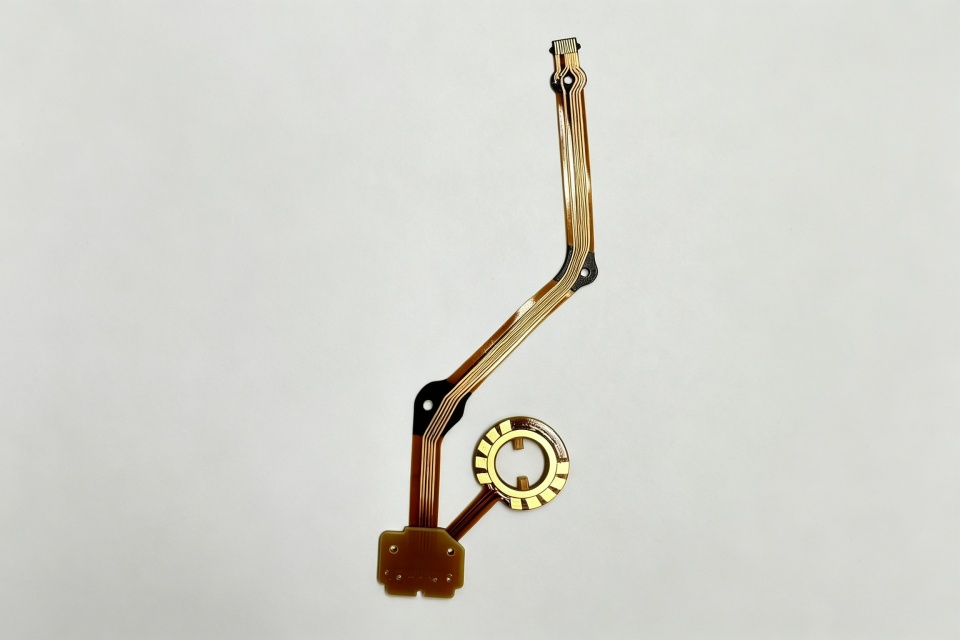
Electronic Shift Sensor FPC
This electronic shift sensor FPC is used in automotive electronic shift mechanisms. Hongyi Precision collaborated with multiple customers on extensive testing and validation, establishing a standardized trace routing specification for bending zones: traces in bending zones use arc transitions or 45° diagonal layouts—right angles and acute angles are prohibited; minimum arc radius ≥ 0.2 mm to eliminate stress concentration points; dynamic bending zone trace width/space ≥ 100 μm/100 μm (higher than static zone specs) to enhance tensile resistance; trace width transitions use ≤15° tapered gradual transitions to prevent trace damage from abrupt width changes.
Key features
Arc-and-diagonal trace layout
No right or acute angles in bending zones; arc radius ≥ 0.2 mm to eliminate stress concentration points
Upgraded dynamic-zone specifications
Trace width/space ≥ 100 μm/100 μm to strengthen tensile resistance
Tapered trace width transition
≤15° gradual transition to prevent trace fracture from abrupt width change
Designed for long-term rotational flexing
Meets high-frequency reciprocating motion requirements of electronic shift mechanisms
High-temperature-resistant PI coverlay
Stable performance across temperature extremes; resistant to delamination and lifting
100% full electrical test
Consistent quality standard ensures batch-to-batch stability
Specifications
- Layer count
- 1–2 layers
- Dynamic bending zone trace width/space
- ≥100 μm/100 μm
- Trace transition standard
- Arc radius ≥ 0.2 mm or 45° diagonal; right angles prohibited
- Trace width transition angle
- ≤15° tapered gradual transition
- Base material
- PI 12.5 μm / 25 μm
- Copper thickness
- 12 μm, 18 μm
- Surface finish
- ENIG gold plating, OSP
- Operating temperature
- –40°C to 105°C
- Electrical testing
- 100% full test
Typical applications
- Automotive electronic shift angle sensor
- In-vehicle rotary position sensing assembly
- Electronic shift position signal acquisition module
Talk to an engineer
Share your Gerber files or specification and our engineering team will assess manufacturability, advise on process and stack-up, then move your project through sampling and volume production to automotive standards.
Quote NowRelated reading
What PPAP Documentation Must Automotive FPC Manufacturers Prepare? A Project Approval Evidence Checklist
When automotive FPCs enter production approval, PPAP documentation must align with the customer’s tier level, drawing revision, and actual manufacturing process. This article outlines common items—including design records, process flow diagrams, FMEA, control plans, and measurement and material evidence—along with key verification points.
Learn moreTechnical InsightsHow Automotive FPC Manufacturers Control Batch Consistency: Six Critical Nodes from Incoming Material to Shipment
After initial samples pass validation, batch-to-batch consistency of automotive flexible printed circuits—across materials, key processes, inspection, and assembly outcomes—becomes more critical than single-sample performance. This article outlines six key control nodes aligned with the production flow.
Learn moreTechnical InsightHow FPC Manufacturers for Electronic Shifters Design the Connector End: Thickness, Stiffener, and Pad Layout Must Be Evaluated Together
The connector end of an electronic shifter FPC simultaneously handles positioning, mating/unmating, electrical connection, and mechanical loading during assembly. Poor design can lead to abnormal insertion force, unstable contact, or pad damage. This article summarizes key review points for the connector end.
Learn moreRelated products
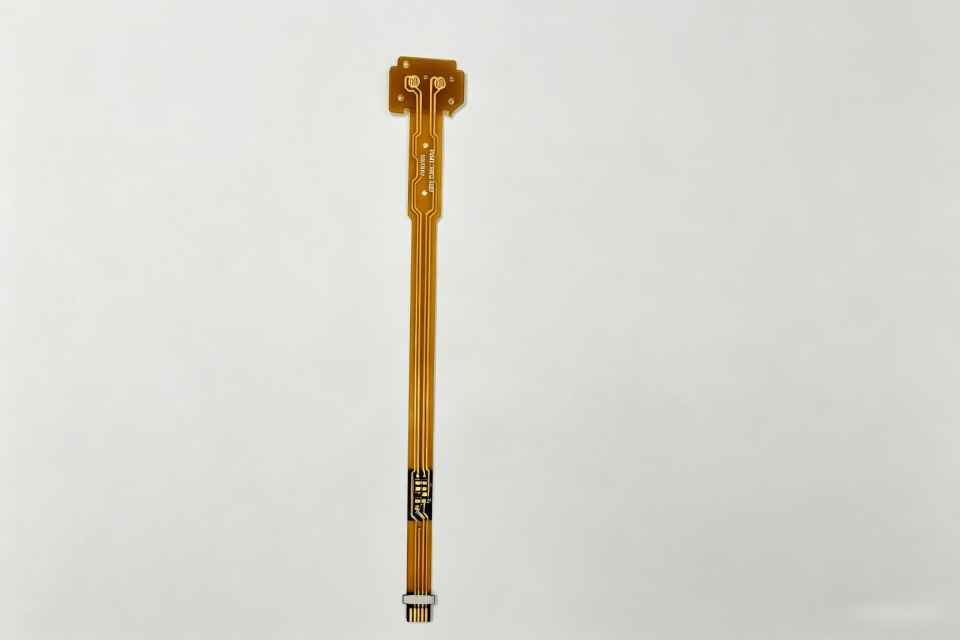
Electronic gear shifter, shift-selector FPC
Electronic Gear Shifter FPC
Integrated automotive electronic gear shifter FPC with built-in conductive ring, designed for gear-position angle signal acquisition.
View details
Sensor Interconnection
Wiper Control Switch FPC
Wiper Control Switch FPC: CAN/LIN differential signal traces follow equal-length, equal-spacing, parallel routing guidelines to maintain continuous impedance and ensure stable in-vehicle bus signal transmission.
View details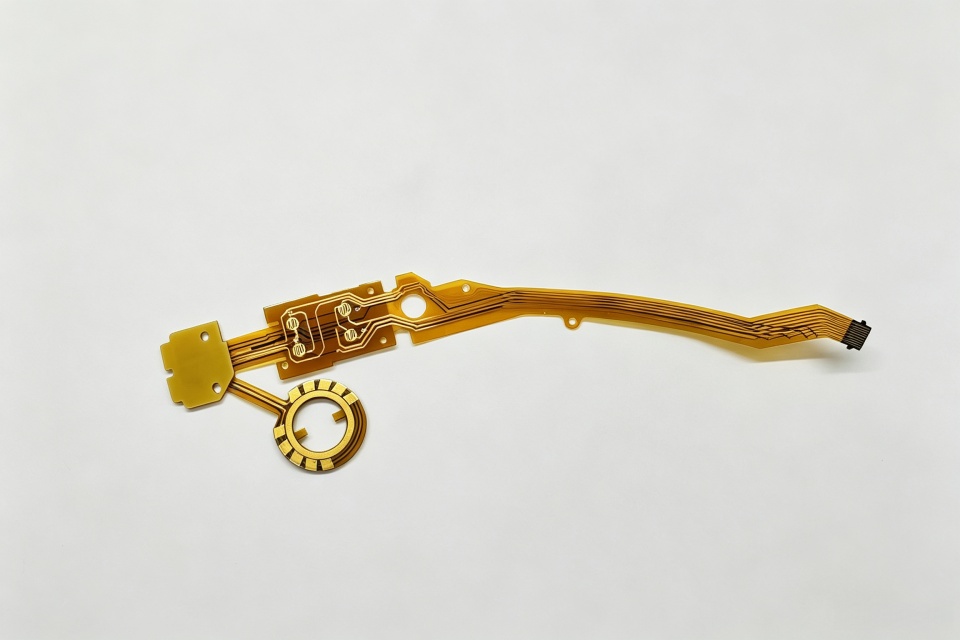
Sensor Connection
Electronic Shifter FPC
Flexible Printed Circuit for automotive electronic shifter mechanisms, featuring dynamic/static bend zone control to manage bend radius and prevent copper foil fatigue fracture, suitable for long-term reciprocating rotational applications.
View details