
Electronic Gear Shifter FPC
Hongyi Precision R&D validated extensive assembly motions and determined that connector pads, soldering pins, and external mounting areas require stiffeners—stainless steel or rigid PI—with thickness ≥0.1 mm to enhance plug-in and assembly strength; stiffeners must not be applied in dynamic bending zones to avoid restricting flexibility and causing stress-concentration fractures.
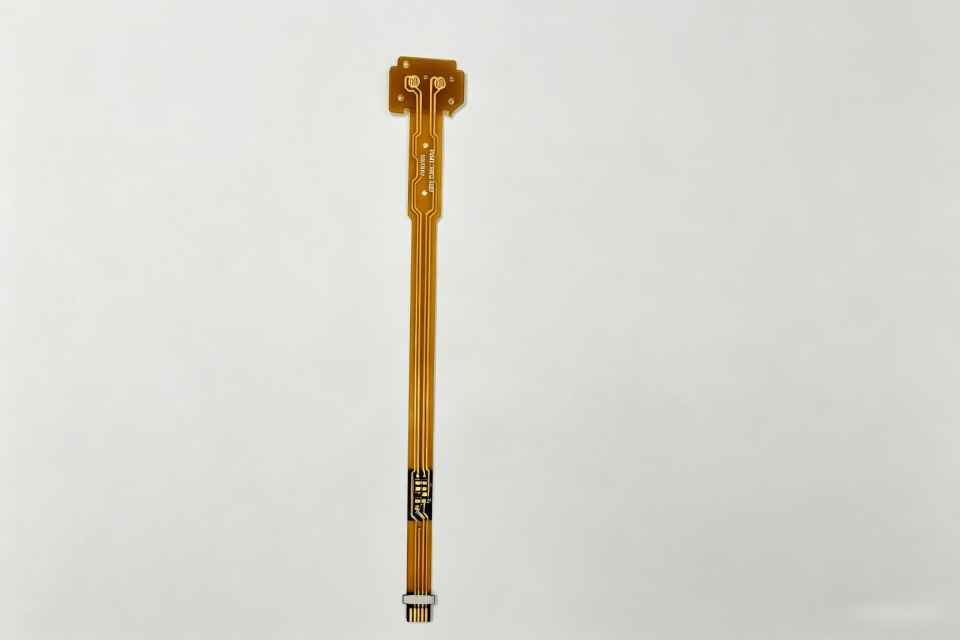
Key features
Integrated conductive ring design
Combines sensing traces and conductive ring to simplify gear shifter structure
Specialized bending process control
Dynamic and static bending radii defined by zone to prevent copper fatigue fracture
High-precision fine-pitch traces
Ensures linear angular signal output and accurate gear-position recognition
Automotive-grade wide-temperature tolerance
Withstands alternating high/low temperatures inside vehicle cabins
Irregular multi-branch integrated forming
Matches tight, complex internal assembly space of gear shifters
100% powered electrical testing
Strict batch consistency control to reduce in-vehicle failure risk
Specifications
- Layers
- 1–2 layers
- Minimum trace/space
- 60/60 μm
- Base material
- PI 12.5 μm / 25 μm
- Copper thickness
- 12 μm, 18 μm
- Surface finish
- ENIG gold plating, OSP
- Dynamic bending radius
- ≥10–20× board thickness
- Static bending radius
- ≥6–10× board thickness
- Operating temperature
- -40°C to 105°C
- Electrical testing
- 100% full inspection
Typical applications
- Automotive electronic gear shifter position sensor
- In-vehicle rotary angle position detection module
- Automotive control mechanism signal acquisition component
Talk to an engineer
Share your Gerber files or specification and our engineering team will assess manufacturability, advise on process and stack-up, then move your project through sampling and volume production to automotive standards.
Quote NowRelated reading
What PPAP Documentation Must Automotive FPC Manufacturers Prepare? A Project Approval Evidence Checklist
When automotive FPCs enter production approval, PPAP documentation must align with the customer’s tier level, drawing revision, and actual manufacturing process. This article outlines common items—including design records, process flow diagrams, FMEA, control plans, and measurement and material evidence—along with key verification points.
Learn moreTechnical InsightsHow Automotive FPC Manufacturers Control Batch Consistency: Six Critical Nodes from Incoming Material to Shipment
After initial samples pass validation, batch-to-batch consistency of automotive flexible printed circuits—across materials, key processes, inspection, and assembly outcomes—becomes more critical than single-sample performance. This article outlines six key control nodes aligned with the production flow.
Learn moreTechnical InsightHow FPC Manufacturers for Electronic Shifters Design the Connector End: Thickness, Stiffener, and Pad Layout Must Be Evaluated Together
The connector end of an electronic shifter FPC simultaneously handles positioning, mating/unmating, electrical connection, and mechanical loading during assembly. Poor design can lead to abnormal insertion force, unstable contact, or pad damage. This article summarizes key review points for the connector end.
Learn moreRelated products
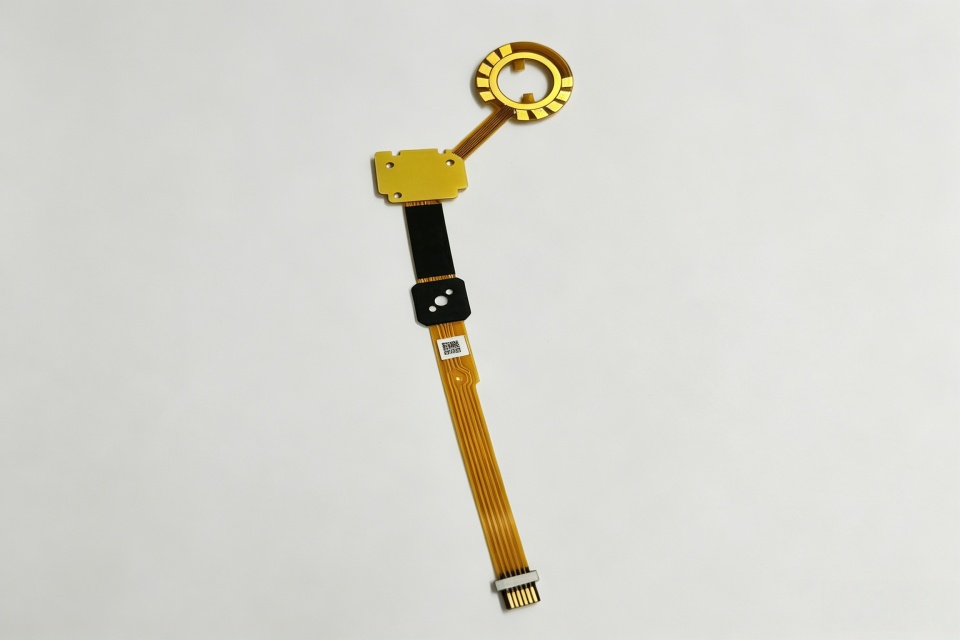
Automotive Switch Interconnection
Automotive Column-Mounted Shifter FPC
Automotive shifter flexible circuit board with high-temperature-resistant PI coverlay, balancing flexural durability and tensile strength.
View details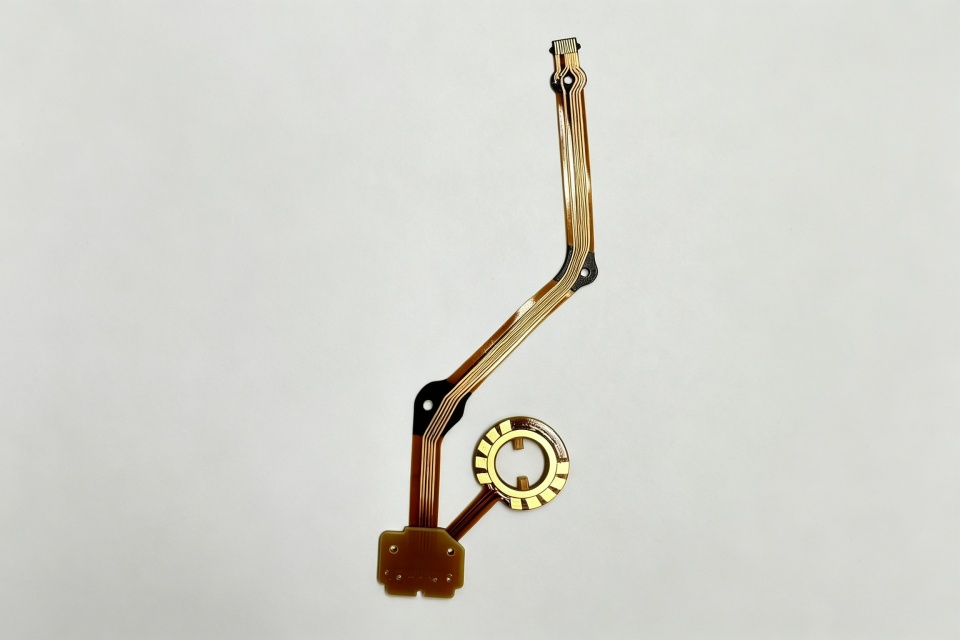
Sensor Interconnection
Electronic Shift Sensor FPC
Automotive electronic shift position sensing FPC, with optimized trace routing in bending zones to eliminate stress concentration points and significantly extend repeated flex life.
View details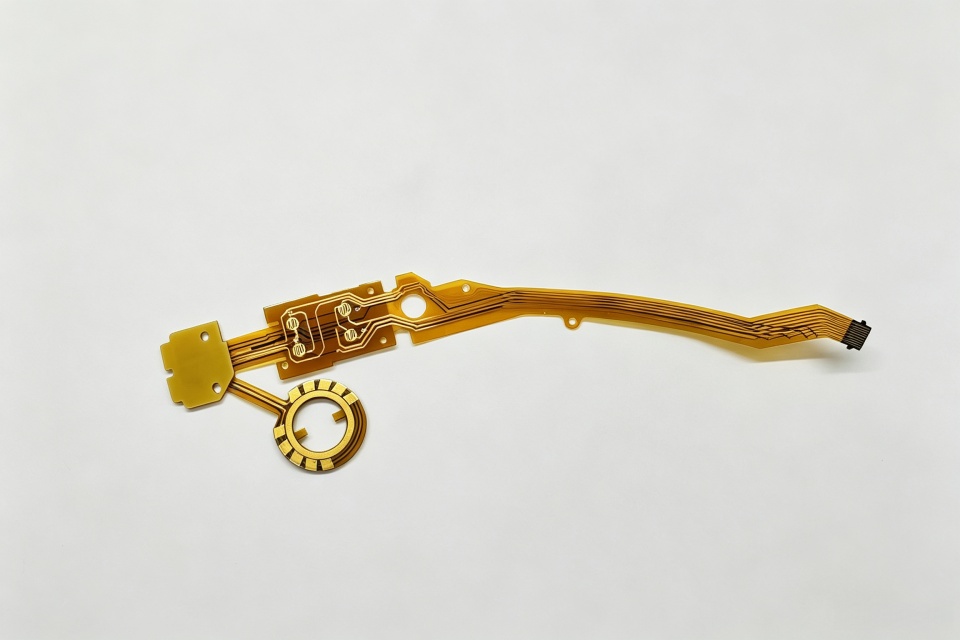
Sensor Connection
Electronic Shifter FPC
Flexible Printed Circuit for automotive electronic shifter mechanisms, featuring dynamic/static bend zone control to manage bend radius and prevent copper foil fatigue fracture, suitable for long-term reciprocating rotational applications.
View details