
Applications
Humanoid Robot FPC Solutions
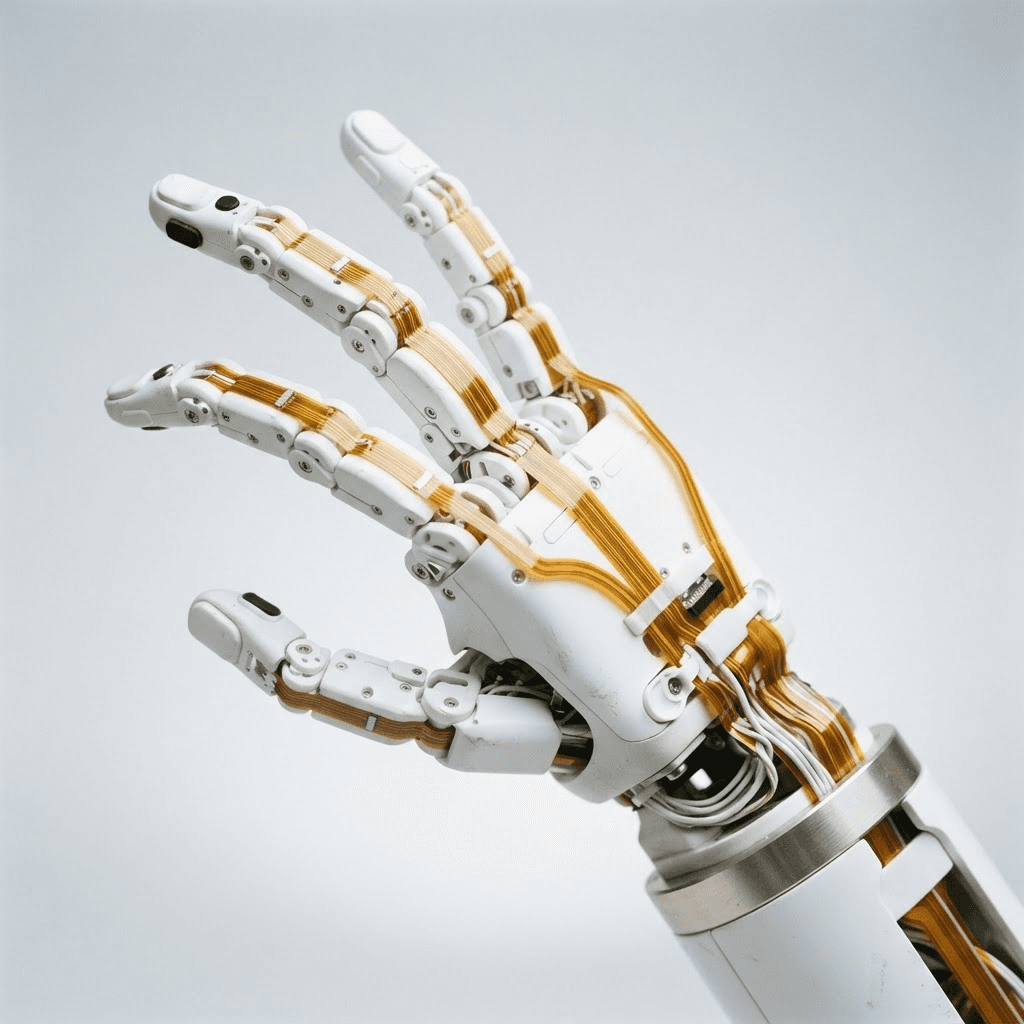
A single humanoid robot uses 40-70 flexible circuits across joint drives, tactile dexterous hands and vision modules.
Key points
Industrial delivery of humanoid robots has accelerated recently, and the market for dedicated high-reliability FPC is growing quickly with it. A single humanoid robot uses 40-70 flexible circuits across joint drives, tactile dexterous hands and vision modules. We concentrate on two of the most demanding categories, dexterous hand tactile sensing and coreless motor flex, with fast iteration support from prototype through to volume.
High-density tactile sensing
Dense sensing nodes in a minimal footprint raise tactile resolution.
Very high dynamic flex life
Dedicated knuckle bend design extends dexterous hand service life.
Fast iteration support
Samples in 3-4 days to match the rapid design cycles of robotics customers.
Recommended products
Humanoid robotics
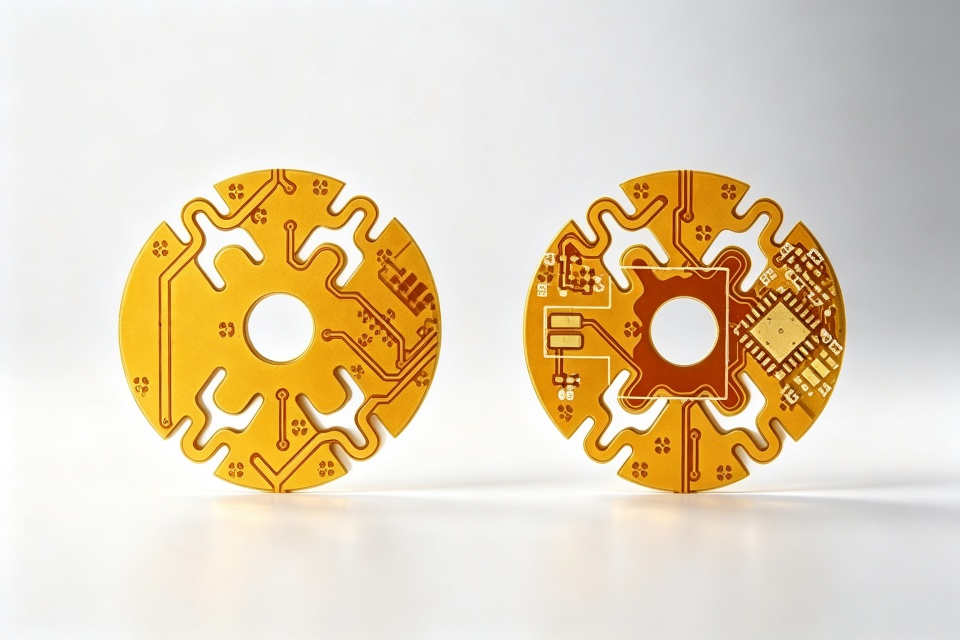
Dexterous hand sensing FPC
High-density tactile sensing flex that determines the feel and service life of a dexterous hand.
View details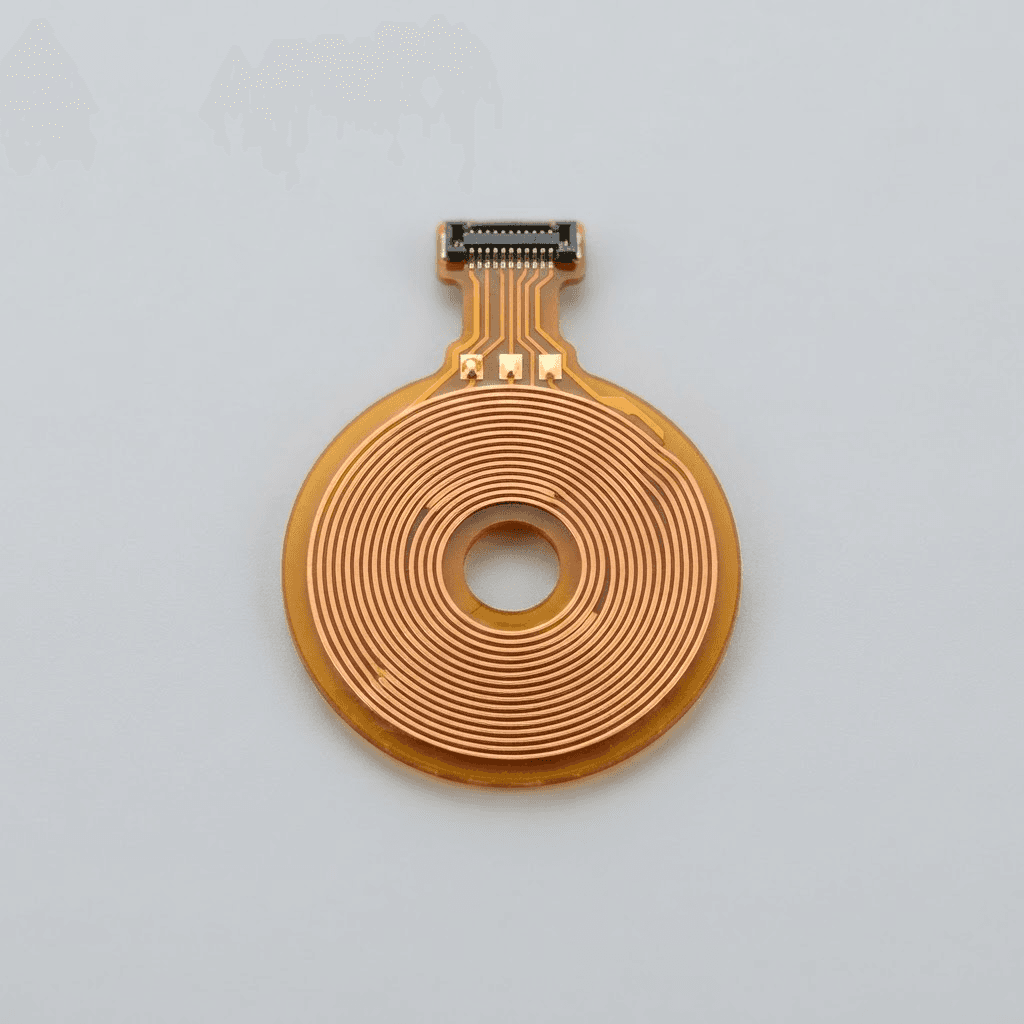
Humanoid Robot FPC
Cup Motor FPC
Precision flexible interconnects for cup motors and joint actuators.
View details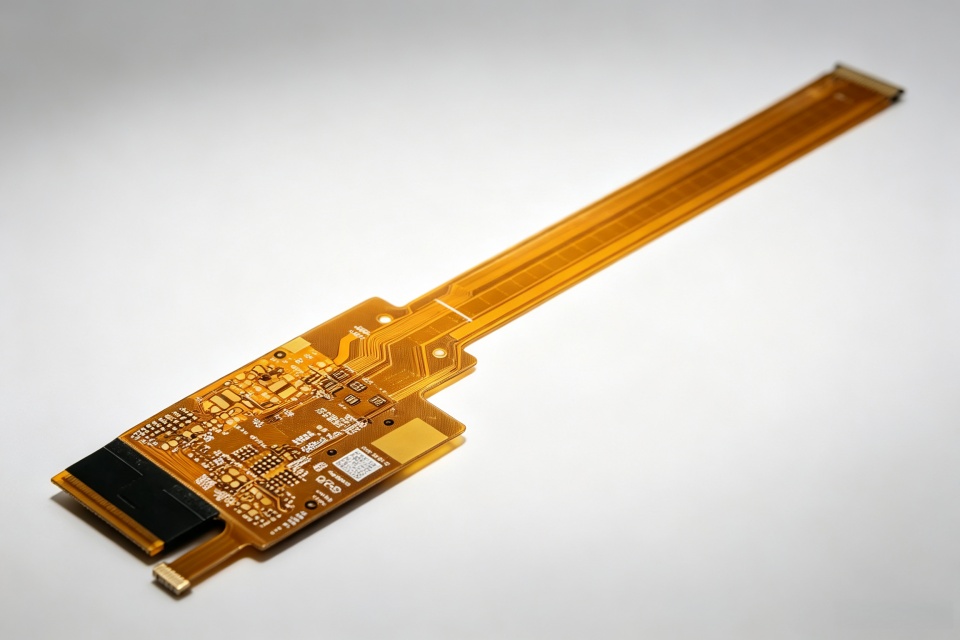
Smart Cockpit FPC
Central Control and Instrument Display FPC
Central control and instrument display FPC enables signal transmission between smart cockpit central units and instrument clusters, supporting single-layer, multi-layer, and custom-shaped cut structures to meet OEM cockpit structural design and assembly stroke requirements.
View detailsRelated reading
FPC Manufacturer Analysis for Robotics: How to Choose Between FPC and Traditional Wiring Harnesses—5 Evaluation Dimensions
Not all connections in humanoid robots are suitable for FPC replacement of wiring harnesses. This article outlines the application boundaries of FPC, traditional wiring harnesses, and hybrid connection solutions across five dimensions: space constraints, motion requirements, signal integrity, assembly/maintenance, and mass-production cost.
Learn moreTechnical InsightHow Robot FPC Manufacturers Evaluate Dynamic Bend Life: Bend Count Alone Isn’t Enough
Robot FPCs are commonly used in joints, dexterous hands, vision modules, and motor connections—where repeated bending, twisting, and stretching collectively impact service life. This article outlines key conditions robot FPC manufacturers must confirm when evaluating dynamic reliability.
Learn moreTechnical InsightsWhat Documentation Should Buyers Review When Auditing an FPC Manufacturer? A Procurement and Engineering Evaluation Checklist
Selecting an FPC manufacturer requires more than comparing quotes and lead times—it demands verification of drawing review, material stack-up, sample testing, mass production processes, and batch traceability documentation.
Learn moreProcess parameters and manufacturing capability
The figures below reflect our production-proven capability window. For special structures, please talk to our engineering team for a detailed assessment.
Learn moreQuality built to pass the toughest qualification
Hongyi Precision is certified to ISO 9001, ISO 14001 and IATF 16949, with a quality system spanning design, manufacturing and delivery.
Learn moreSend us your drawings
Share your Gerber files or specification and our engineering team will assess manufacturability, advise on process and stack-up, then move your project through sampling and volume production to automotive standards.