
News
Industry developments and technical notes
We follow technical and market developments in automotive FPC and flexible circuits for humanoid robotics, and we welcome the conversation.
Focus areas
FPC replacing automotive harnesses
With light weight, high flex endurance and dense integration, FPC is replacing conventional harnesses across smart cockpits and body control.
Flexible circuits for humanoid robots
A single humanoid robot uses 40-70 flexible circuits, with demand growing quickly for joint drives, tactile dexterous hands and vision modules.
Automotive process and quality
We keep refining our process window and full-flow validation around demanding temperature, flex life and conductive stability criteria.
Company news
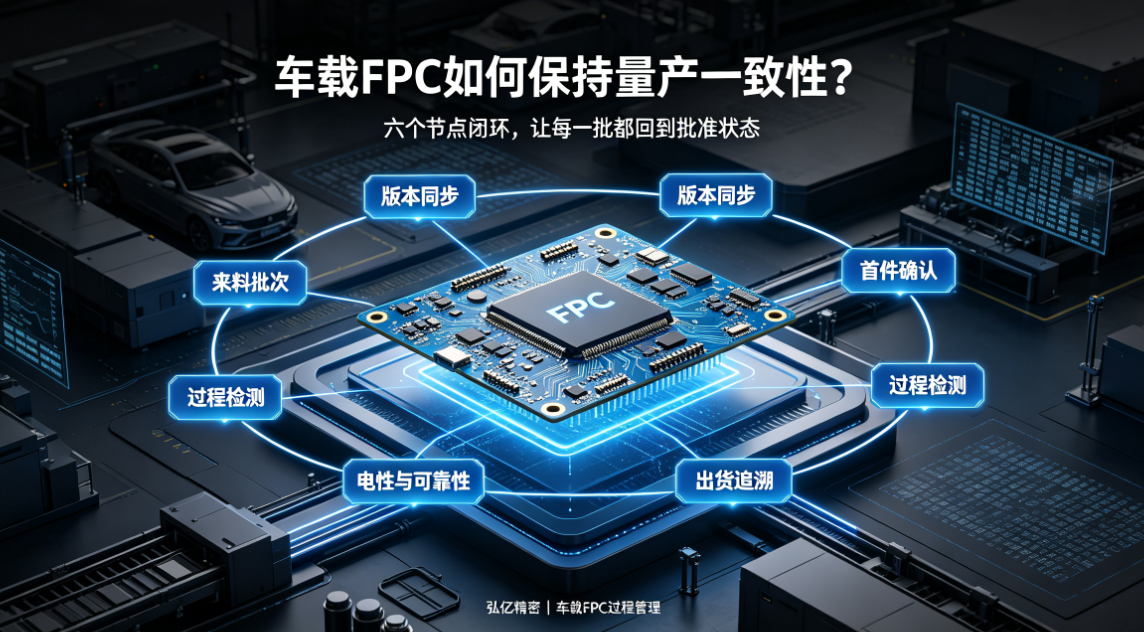
How Automotive FPC Manufacturers Control Batch Consistency: Six Critical Nodes from Incoming Material to Shipment
After initial samples pass validation, batch-to-batch consistency of automotive flexible printed circuits—across materials, key processes, inspection, and assem…
Read more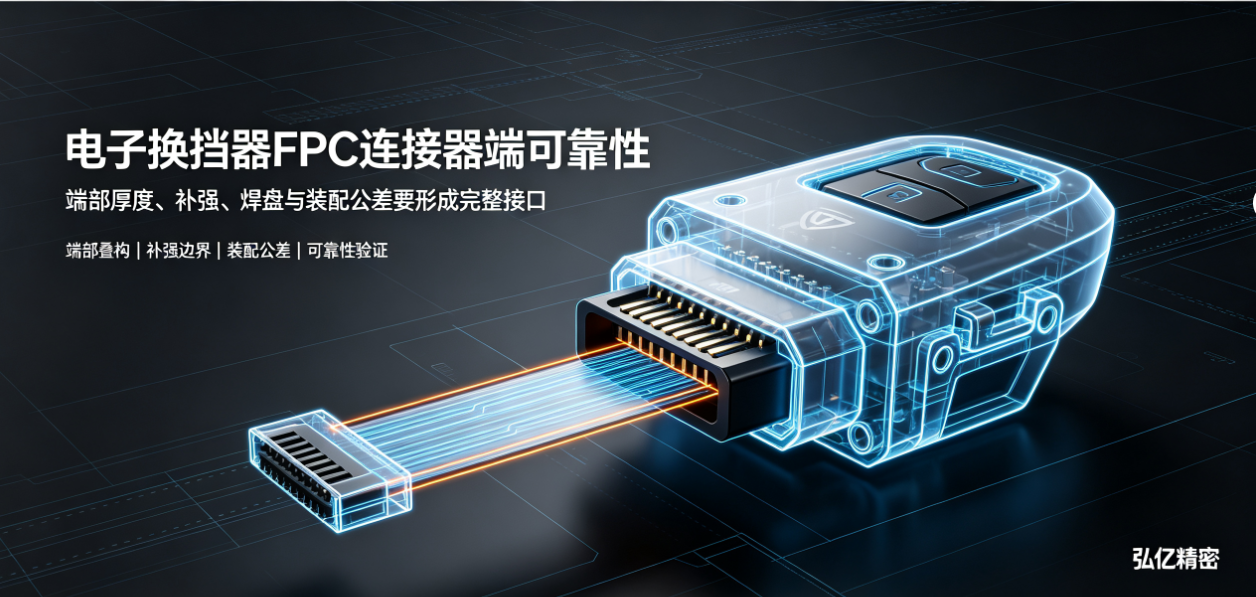 Technical Insight
How FPC Manufacturers for Electronic Shifters Design the Connector End: Thickness, Stiffener, and Pad Layout Must Be Evaluated Together
The connector end of an electronic shifter FPC simultaneously handles positioning, mating/unmating, electrical connection, and mechanical loading during assembl…
Read more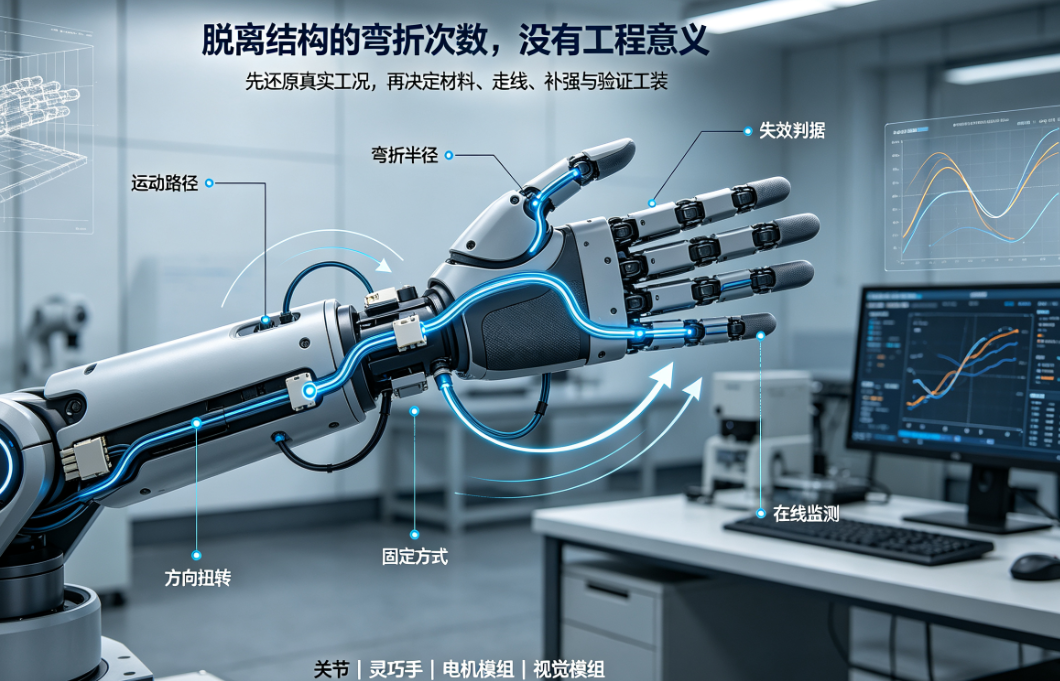 Technical Insight
How Robot FPC Manufacturers Evaluate Dynamic Bend Life: Bend Count Alone Isn’t Enough
Robot FPCs are commonly used in joints, dexterous hands, vision modules, and motor connections—where repeated bending, twisting, and stretching collectively imp…
Read more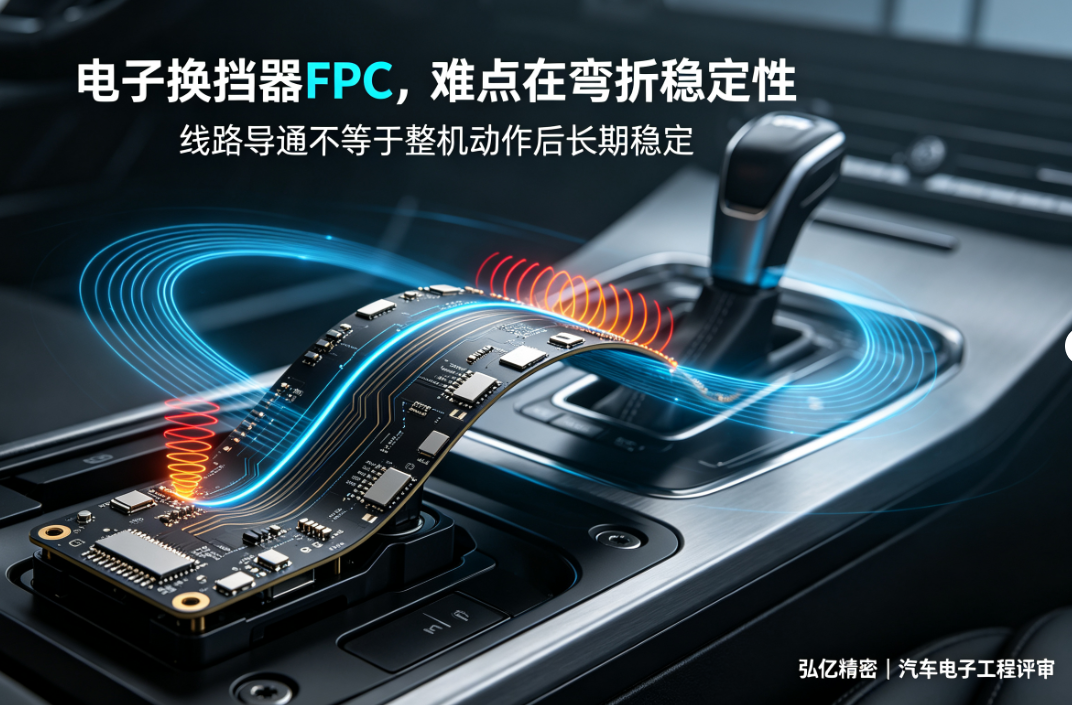 Technical Insights
How FPC Manufacturers for Electronic Shifters Should Design Bend Zones: Proactively Identify 5 Failure Risks
FPCs for electronic shifters operate in confined spaces and undergo repeated motion; bend zone design directly impacts signal stability and service life. This a…
Read more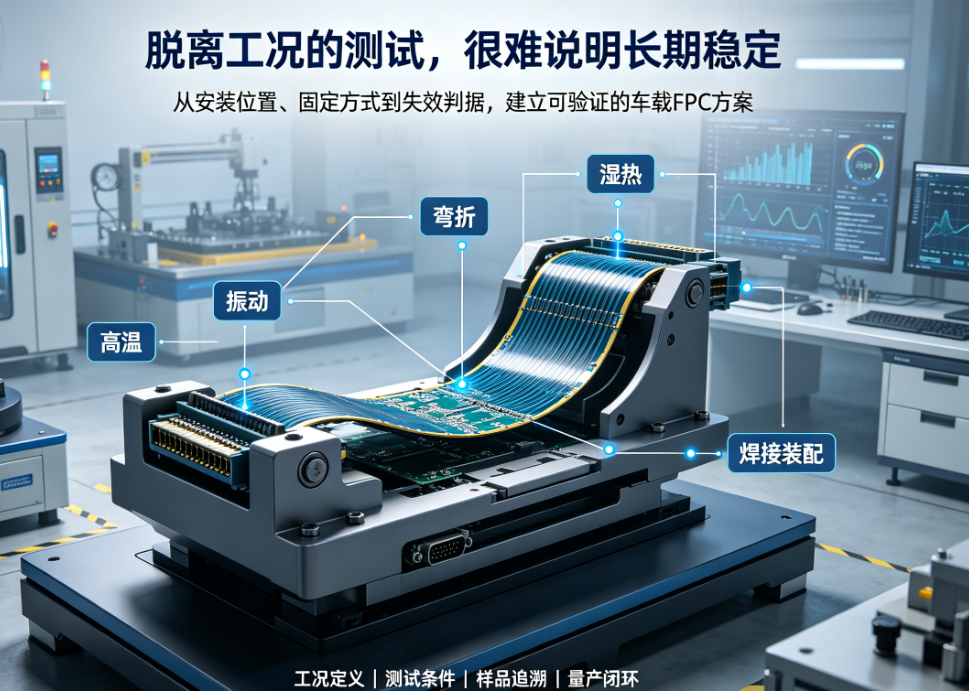 Technical Insight
How Automotive FPC Manufacturers Establish Reliability Validation: From Operating Conditions to Acceptance Criteria
Automotive flexible printed circuit (FPC) reliability cannot be assessed by continuity and visual inspection alone—it requires validation protocols tailored to…
Read more Technical Insights
How Long Does It Take for an Electronic Shifter FPC Manufacturer to Produce Prototypes?
What factors influence the prototype lead time of electronic shifter FPCs? This article explains how lead time is assessed across seven critical stages: data co…
Read more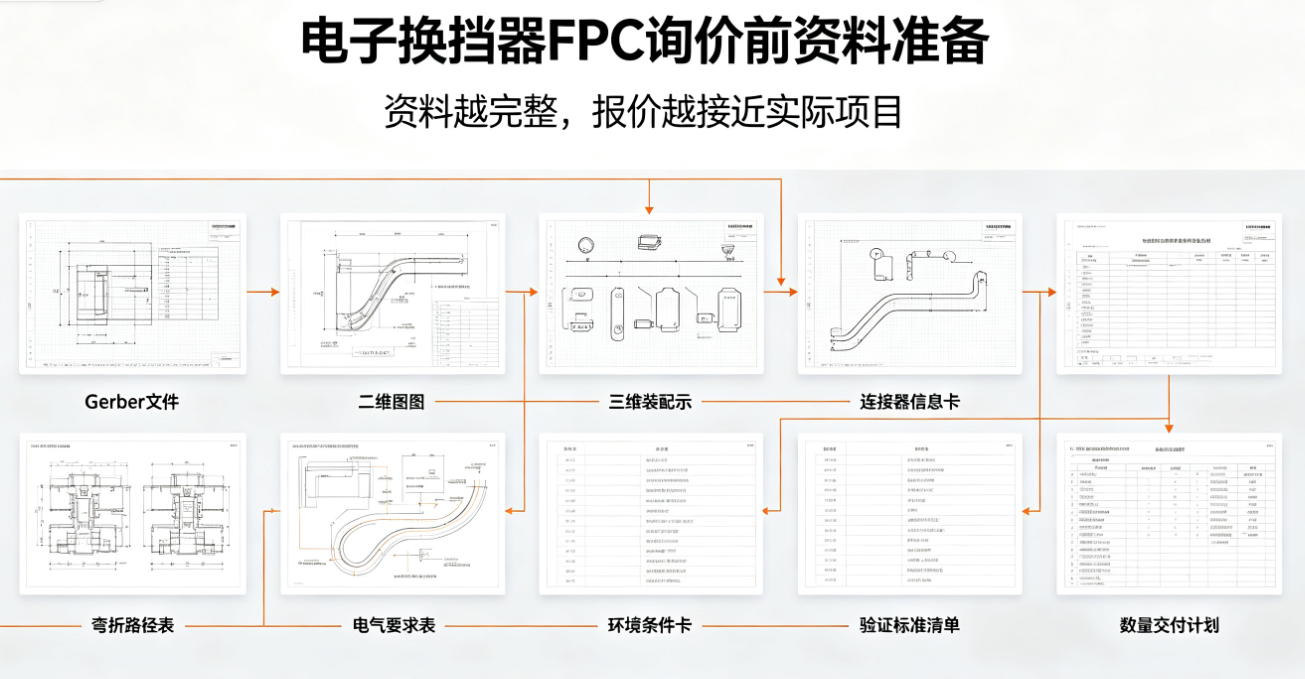 Technical Insights
What Documentation Is Required Before Requesting a Quote from an Electronic Shifter FPC Manufacturer? Procurement Inquiry Checklist
What documentation is required before requesting a quote from an electronic shifter FPC manufacturer? This article outlines key inquiry items—including Gerber f…
Read more