
News
Industry developments and technical notes
We follow technical and market developments in automotive FPC and flexible circuits for humanoid robotics, and we welcome the conversation.
Focus areas
FPC replacing automotive harnesses
With light weight, high flex endurance and dense integration, FPC is replacing conventional harnesses across smart cockpits and body control.
Flexible circuits for humanoid robots
A single humanoid robot uses 40-70 flexible circuits, with demand growing quickly for joint drives, tactile dexterous hands and vision modules.
Automotive process and quality
We keep refining our process window and full-flow validation around demanding temperature, flex life and conductive stability criteria.
Company news
 Technical Insights
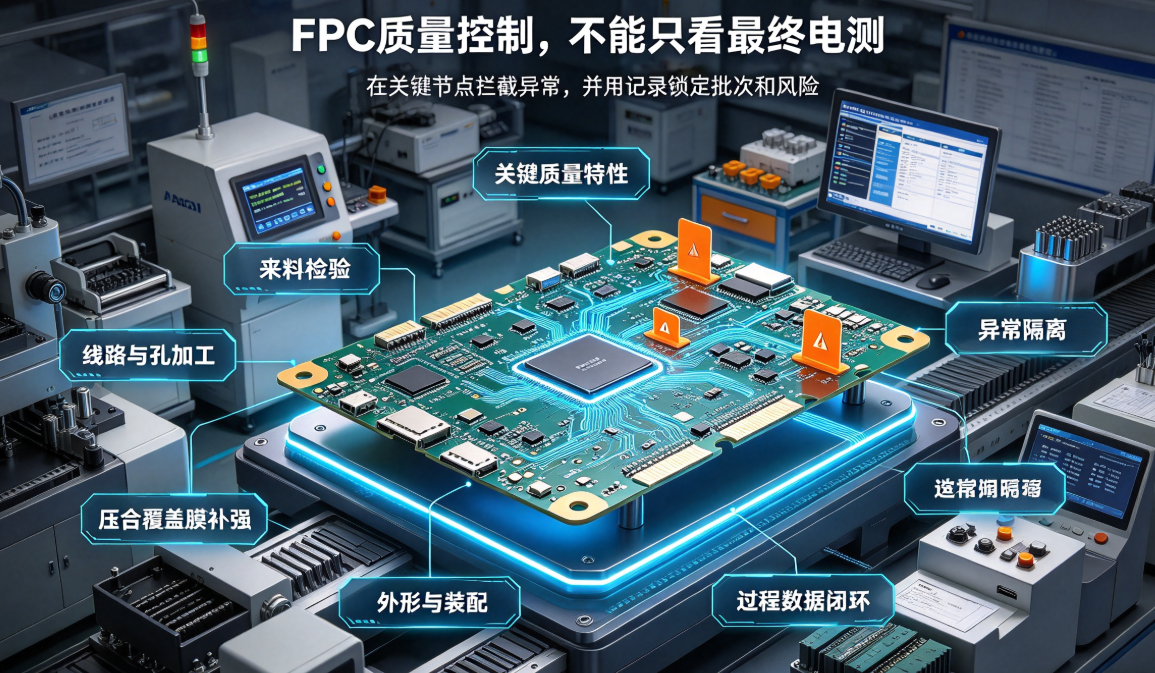
How Do FPC Manufacturers Conduct In-Process Inspection? Seven Key Points from IPQC to Abnormal Batch Release
FPC manufacturers must not wait until shipment to perform process inspection. This article outlines quality control methods—from IPQC to batch release—across se…
Read more Technical Insights
How Do FPC Manufacturers Conduct DFM Reviews? Six Design Issues That Determine Stable Mass Production
FPC manufacturers’ DFM reviews must go beyond replying “production is feasible.” This article outlines six pre-prototyping design checkpoints: documentation com…
Read more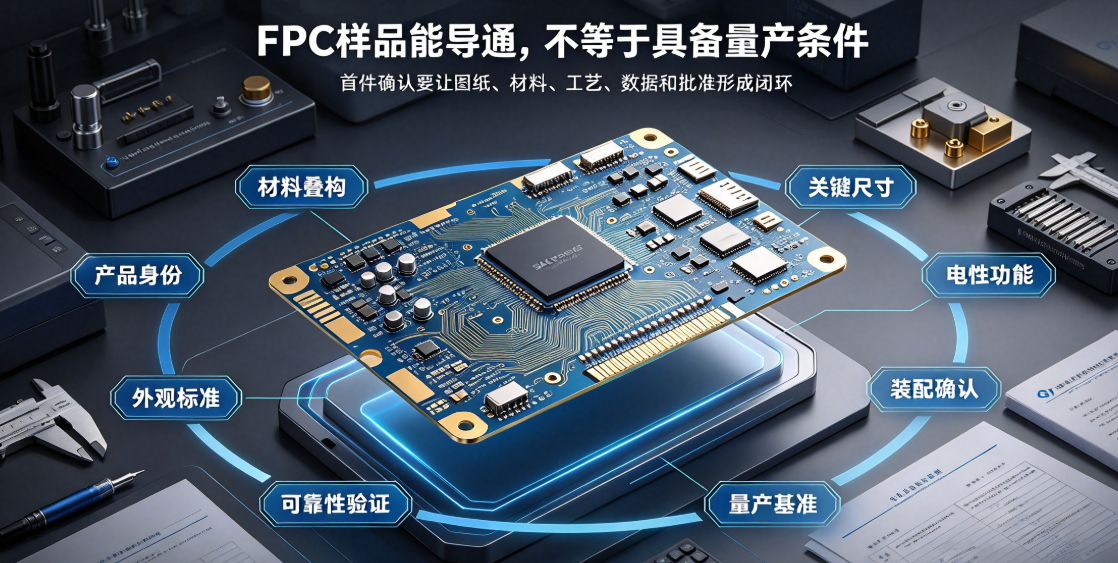 Technical Insights
How Do FPC Manufacturers Perform First-Article Approval? 8 Critical Verification Items Prior to Mass Production
First-article approval for FPC manufacturers must go beyond continuity testing. This article outlines eight critical verification areas—version control, materia…
Read more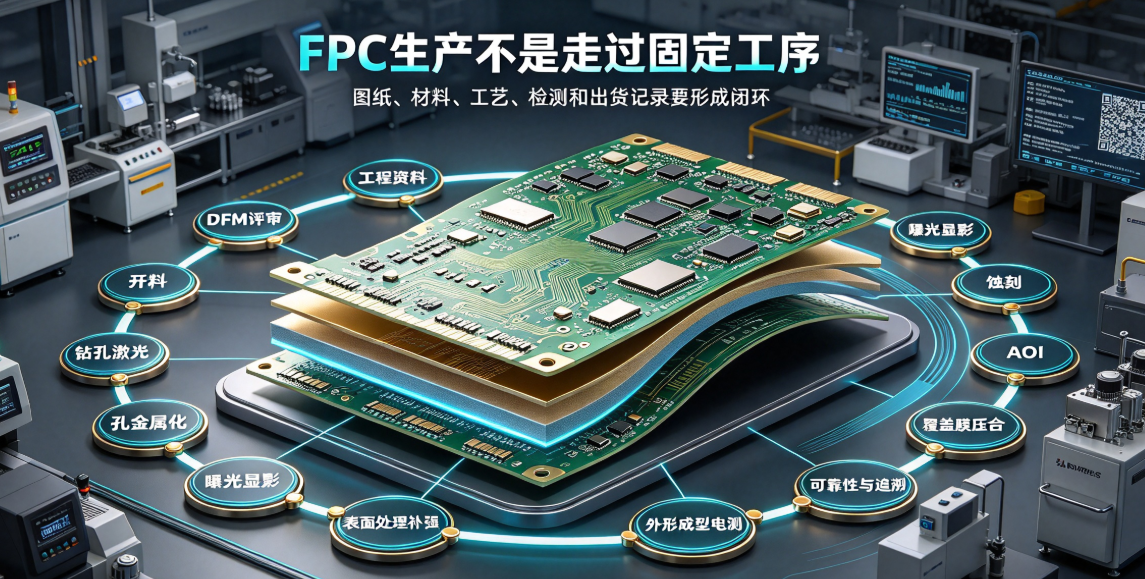 Technical Insights
What Are the Production Processes of an FPC Manufacturer? 12 Critical Steps from Engineering Data to Final Shipment
An FPC manufacturer’s production process is not a fixed checklist. This article outlines the 12 critical steps—from DFM, engineering data, materials, drilling,…
Read more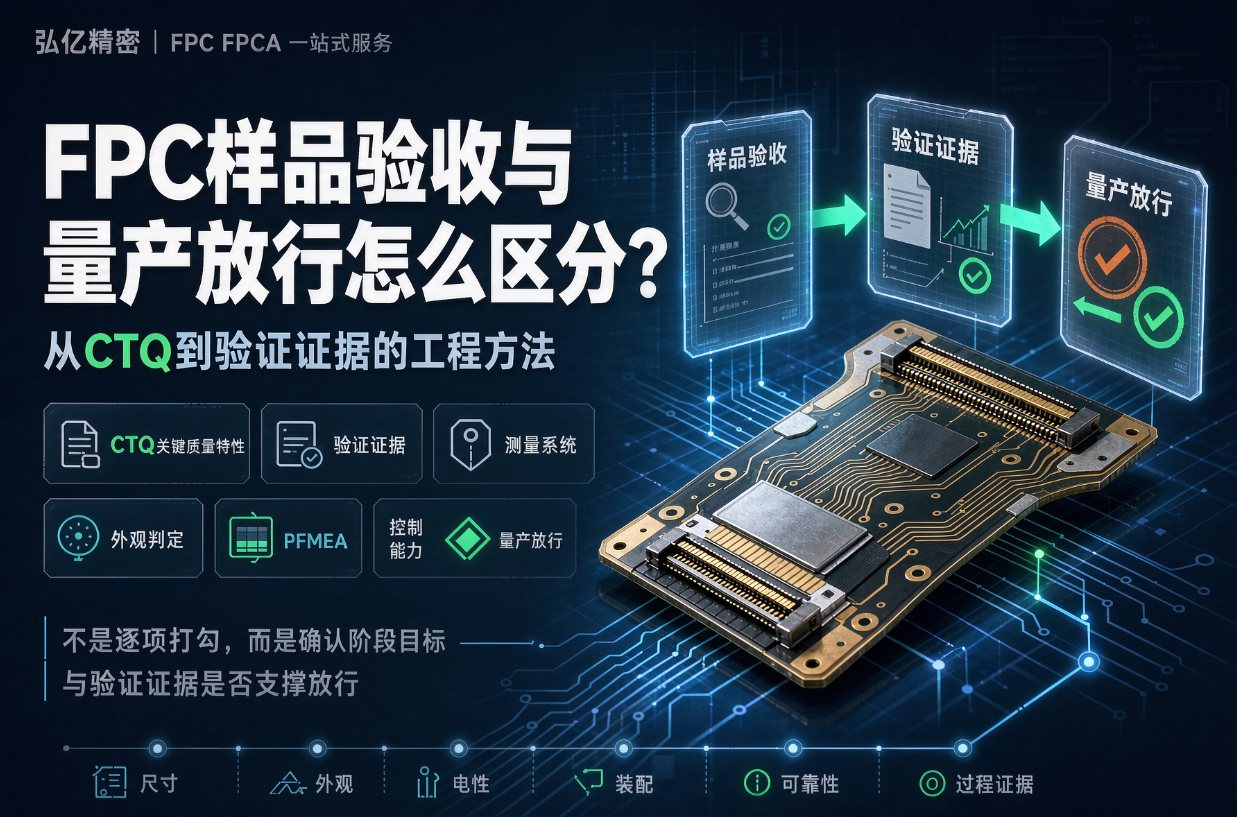 Technical Insights
How to Distinguish FPC Sample Acceptance from Mass Production Release: An Engineering Approach from CTQ to Verification Evidence
FPC sample acceptance cannot rely solely on continuity testing. This article outlines an engineering methodology for buyers to determine whether samples are rea…
Read more Technical Insight
What Do Automotive FPC Manufacturers Check During Outgoing Quality Control (OQC)? OQC Must Go Beyond Visual Inspection and Continuity Testing
Before shipment, automotive FPCs require verification beyond appearance and electrical performance — including version and batch identity, critical dimensions,…
Read more Technical Insight
How Robot FPC Manufacturers Address High-Speed Signals and Shielding: Routing, Impedance, and Motion Must Be Evaluated Concurrently
Connections for robot vision, encoders, and high-speed sensing must satisfy signal integrity while fitting into confined spaces and accommodating dynamic motion…
Read more Technical Insight
How Do FPC Manufacturers for Electronic Shifters Implement Vibration Resistance Design? Coordination Among Mounting Points, Connectors, and Bend Zones Is Critical
Vehicle vibration may cause FPC oscillation, connector fretting, solder joint fatigue, and stress concentration at stiffener edges. This article explains vibrat…
Read more Technical Insight
How to Assess FPC Manufacturer Capacity? Equipment Count ≠ Stable Delivery Capability
Evaluating FPC manufacturer capacity requires more than counting machines or citing monthly square-meter output—it demands verification of product mix, bottlene…
Read more