
Central Control and Instrument Display FPC
Hongyi Precision provides end-to-end custom development services for smart cockpit FPCs, supporting single-layer, multi-layer, custom-shaped cut, and high-precision HDI flexible circuit boards. Layouts are optimized per OEM cockpit structural design, functional parameters, and assembly stroke—covering bend allowance, routing topology, and protection processes—to rapidly address diverse needs including new product development and mass production.
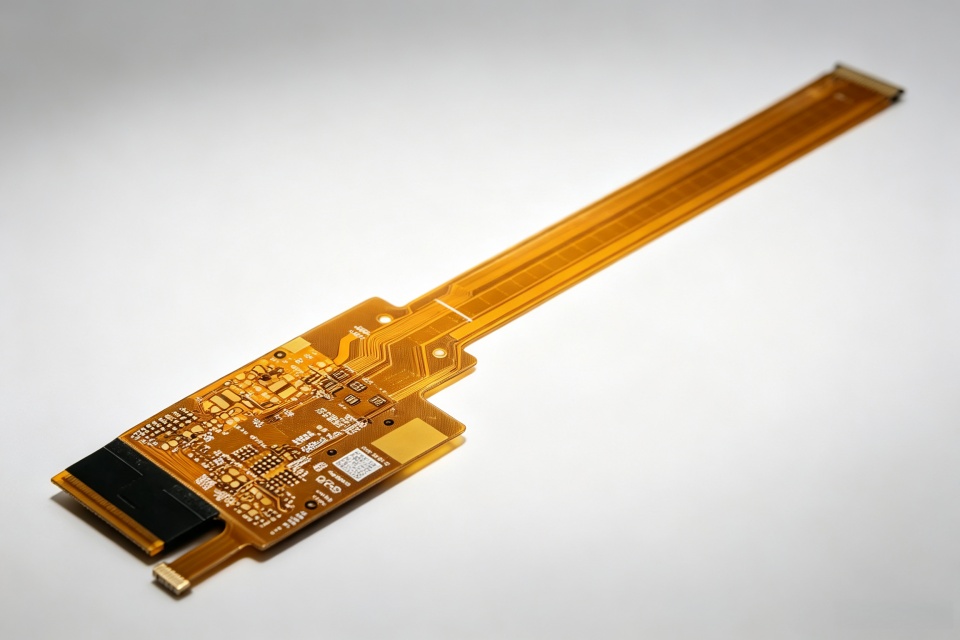
Key features
Precision Manufacturing Process
High-precision fine-line process with controllable line width/line spacing
Signal Stability
Rolled copper foil ensures excellent impedance consistency across traces
Bonding Process
Gold plating (ENIG) applied to gold fingers; high flatness in bonding areas
Custom Shape Adaptation
Precision die-cutting supports custom contours and panelized designs
Specifications
- Layer Count
- 1–2 layers
- Minimum Line Width/Line Spacing
- 5/50 µm
- Base Material
- PI 12.5/25 µm
- Copper Thickness
- 12/18 µm
- Shielding Solution
- Shielding film / ground mesh (optional)
- Surface Finish
- ENIG
- Electrical Testing Coverage
- 100% full inspection
- Operating Temperature
- –40°C to 105°C
Typical applications
- 10.1-inch Display Module FPC
- 13.1-inch Display Module FPC
- 14–21-inch Central Console Display FPC
- 28–32-inch Overhead Display FPC
Talk to an engineer
Share your Gerber files or specification and our engineering team will assess manufacturability, advise on process and stack-up, then move your project through sampling and volume production to automotive standards.
Quote NowRelated reading
How Automotive FPC Manufacturers Address Combined Temperature and Vibration Stress: From Structural Fixation to Validation Criteria
Automotive FPCs in real vehicles simultaneously endure temperature extremes, vibration, assembly stress, and resistive heating. This article outlines key design considerations—from application conditions and material stack-up to fixation points, connectors, and combined thermal cycling and vibration validation.
Learn moreTechnical InsightHow to Evaluate Automotive FPC Manufacturers: Six Capabilities from Automotive-Grade Operating Conditions to Mass Production Evidence
Automotive electronic FPCs must not only conduct electricity but also withstand temperature extremes, vibration, assembly stresses, and batch-to-batch consistency. This article outlines six evaluation criteria—engineering review, materials, interconnects, reliability, process quality, and traceability—for assessing automotive FPC suppliers.
Learn moreTechnical InsightsWhat Documentation Should Buyers Review When Auditing an FPC Manufacturer? A Procurement and Engineering Evaluation Checklist
Selecting an FPC manufacturer requires more than comparing quotes and lead times—it demands verification of drawing review, material stack-up, sample testing, mass production processes, and batch traceability documentation.
Learn moreRelated products
Smart Cockpit FPC
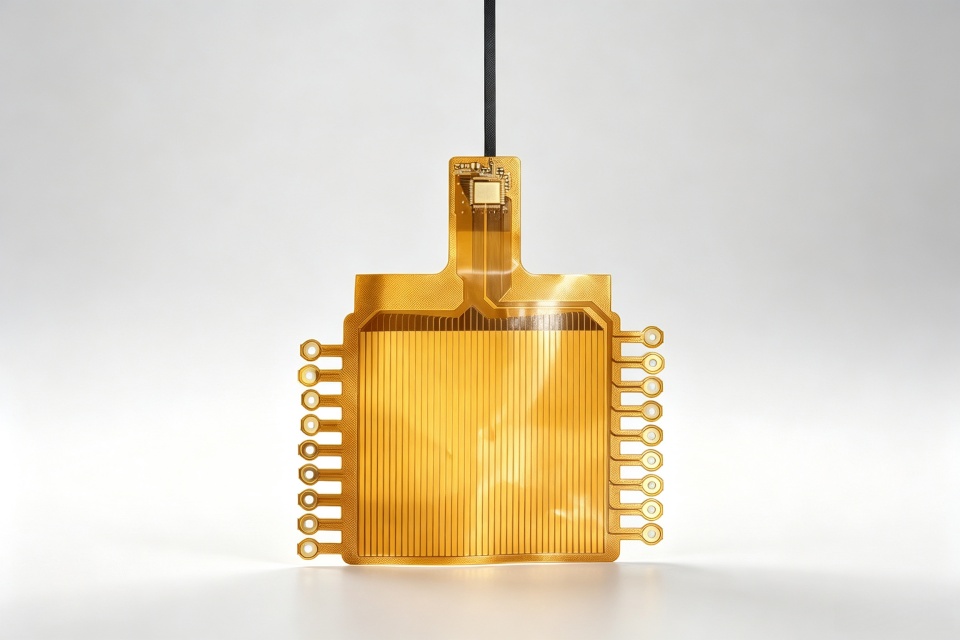
Seat Pressure Sensor FPC
The seat pressure sensor FPC is used in smart cockpit systems to monitor occupant posture and pressure distribution in real time. It features an automotive-grade flexible printed circuit structure validated through one million flex cycles, thermal cycling (high/low temperature), vibration, and salt spray testing—ensuring high reliability and full traceability.
View details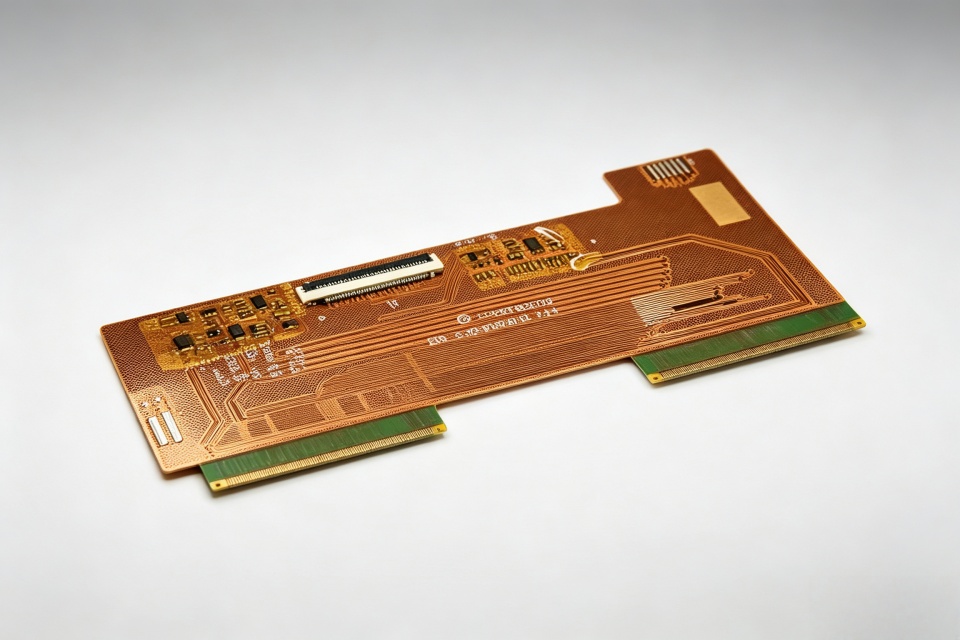
Smart Cockpit FPC
Central Control Display Touch Module FPC
The Central Control Display Touch Module FPC is used in smart cockpit in-vehicle display systems, featuring rolled annealed copper foil and automotive-grade conformal coating; supports one million dynamic flex cycles and operates across a wide temperature range of -40°C to 125°C, meeting assembly requirements for irregular shapes and narrow-bezel large displays.
View details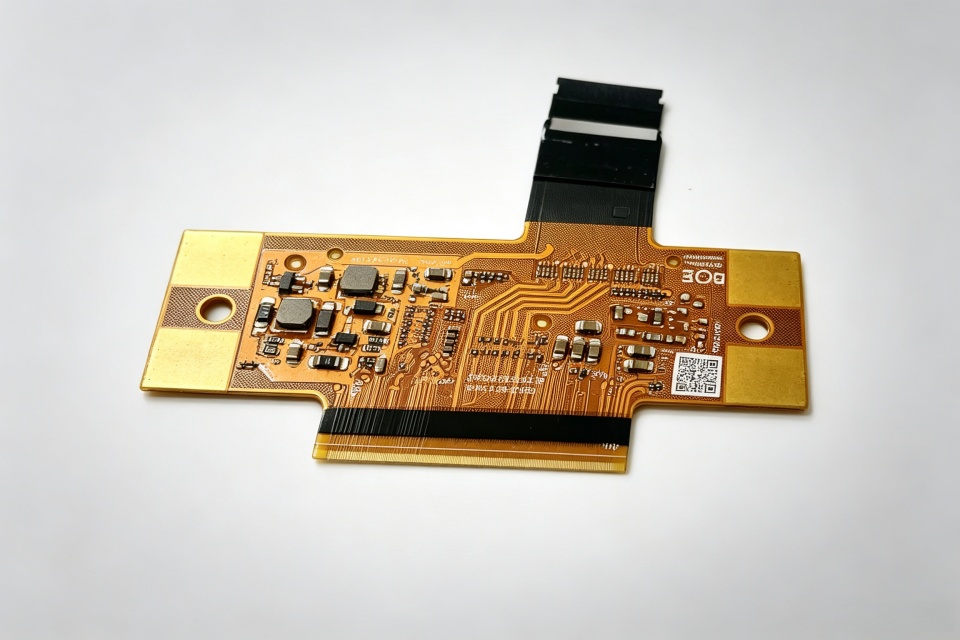
Smart Cockpit FPC
Automotive Display FPC
Automotive Display FPC is specifically designed for smart cockpit display systems, manufactured to AEC-Q200 standards, and engineered to resist bending-induced cracking, trace oxidation, and solder joint lifting.
View details