
Automotive Display FPC
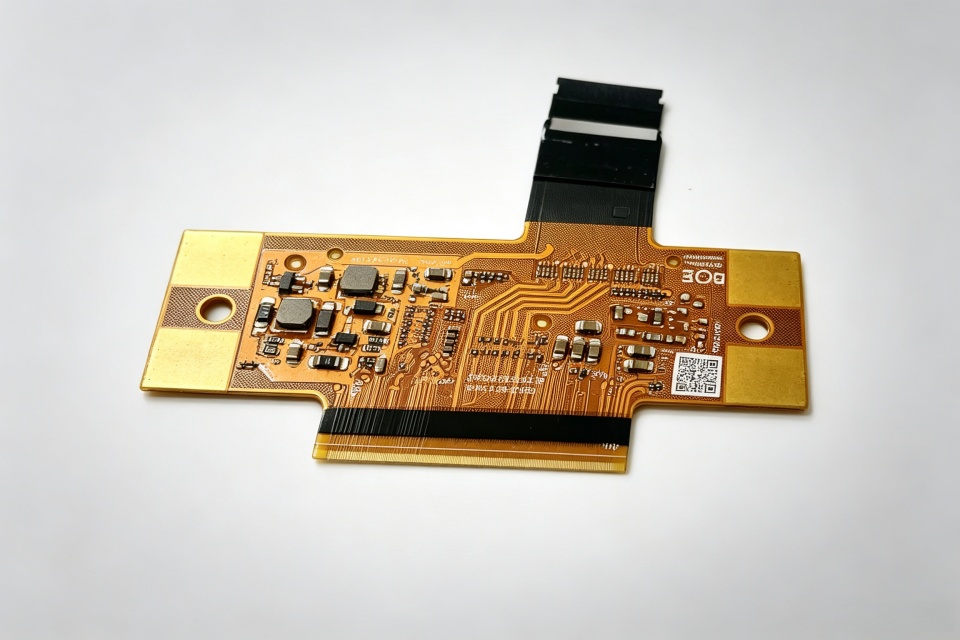
Hongyi Precision specializes in high-reliability automotive FPC customization. Dongguan Hongyi Precision’s Smart Cockpit FPCs comply with AEC-Q200 across material selection, structural design, and mass-production testing—eliminating bending cracks, trace oxidation, and solder joint lifting, and ensuring robust performance under prolonged vibration, humidity, dust, and wide temperature fluctuations—significantly extending smart cockpit system service life.
Key features
Proven Design
Optional shielding layer for electromagnetic interference (EMI) suppression, reducing touch drift and false touches;
Reliable Quality
Excellent thermal and humid-heat resistance, plus superior flex-life performance;
Compact Layout
Ultra-thin flexible PI substrate enabling irregular routing and conformal mounting on curved surfaces;
Stable Signal Transmission
Precision fine-pitch traces with controlled impedance to ensure touch signal integrity;
Specifications
- Layers
- 1–2 layers
- Minimum Trace/Space
- 50/50 µm
- Base Material
- PI 25/50 µm
- Copper Thickness
- 35/18 µm
- Stiffener Options
- PI or stainless-steel stiffeners
- Outline Tolerance
- ±0.10 mm
- Operating Temperature
- −40°C to 105°C
Typical applications
- Center Console Display
- Center Console Touch Buttons
- In-Cabin Streaming Display
- Factory-Mounted Ceiling Display
- In-Cabin Rearview Mirror
- Rear-Seat Center Console Display
Talk to an engineer
Share your Gerber files or specification and our engineering team will assess manufacturability, advise on process and stack-up, then move your project through sampling and volume production to automotive standards.
Quote NowRelated reading
How Automotive-Grade FPC Manufacturers Translate Special Characteristics to the Production Floor: Mapping APQP to PPAP Documentation
The challenge of automotive-grade FPC projects lies not in producing voluminous documentation, but in ensuring traceable alignment among drawing special characteristics, PFMEA, control plans, inspection records, and PPAP submission items. This article outlines—through the lens of customer audit—the linkage between automotive FPC quality documentation and shop-floor controls.
Learn moreIndustry InsightsHow Automotive FPC Manufacturers Address Combined Temperature and Vibration Stress: From Structural Fixation to Validation Criteria
Automotive FPCs in real vehicles simultaneously endure temperature extremes, vibration, assembly stress, and resistive heating. This article outlines key design considerations—from application conditions and material stack-up to fixation points, connectors, and combined thermal cycling and vibration validation.
Learn moreIndustry InsightsHow Do Automotive Starry-Sky Roof FPC Manufacturers Ensure Uniform Illumination Across the Entire Surface? From LED Zoning to Large-Panel Splicing Validation
Automotive starry-sky roof FPCs feature large surface areas, densely packed LED positions, curved roof contour conformity, and thermal expansion/contraction tolerance. This article outlines mass-production control priorities—from power zoning, LED placement tolerances, large-panel lamination, splicing transitions, and optical consistency.
Learn moreRelated products
Smart Cockpit FPC
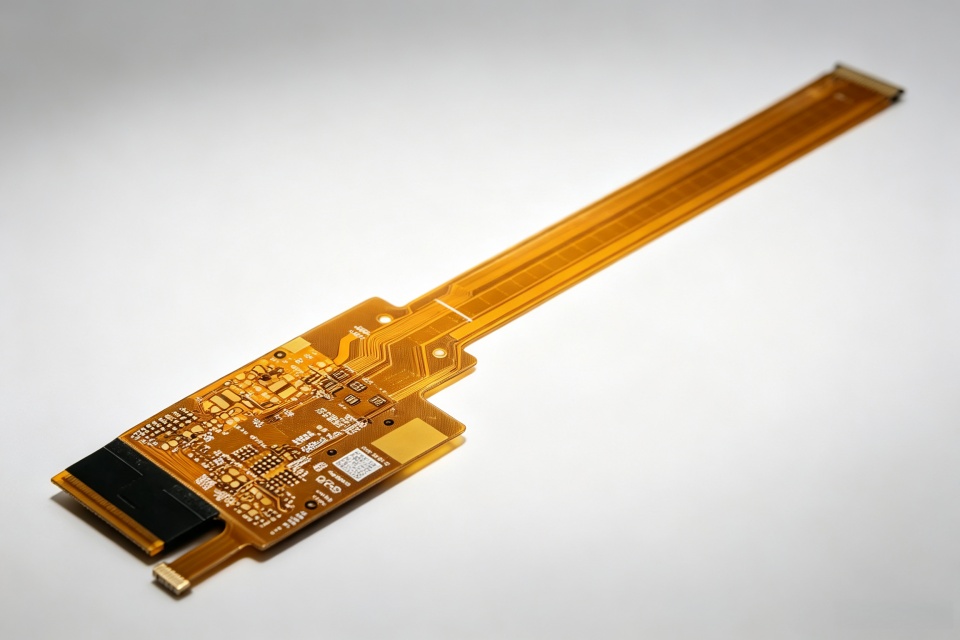
Central Control and Instrument Display FPC
Central control and instrument display FPC enables signal transmission between smart cockpit central units and instrument clusters, supporting single-layer, multi-layer, and custom-shaped cut structures to meet OEM cockpit structural design and assembly stroke requirements.
View details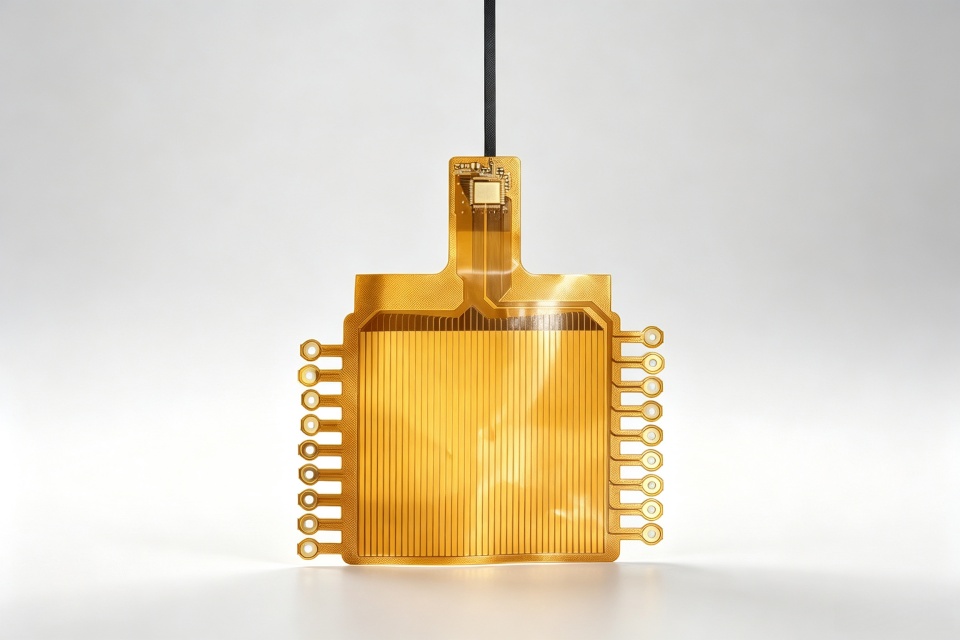
Smart Cockpit FPC
Seat Pressure Sensor FPC
The seat pressure sensor FPC is used in smart cockpit systems to monitor occupant posture and pressure distribution in real time. It features an automotive-grade flexible printed circuit structure validated through one million flex cycles, thermal cycling (high/low temperature), vibration, and salt spray testing—ensuring high reliability and full traceability.
View details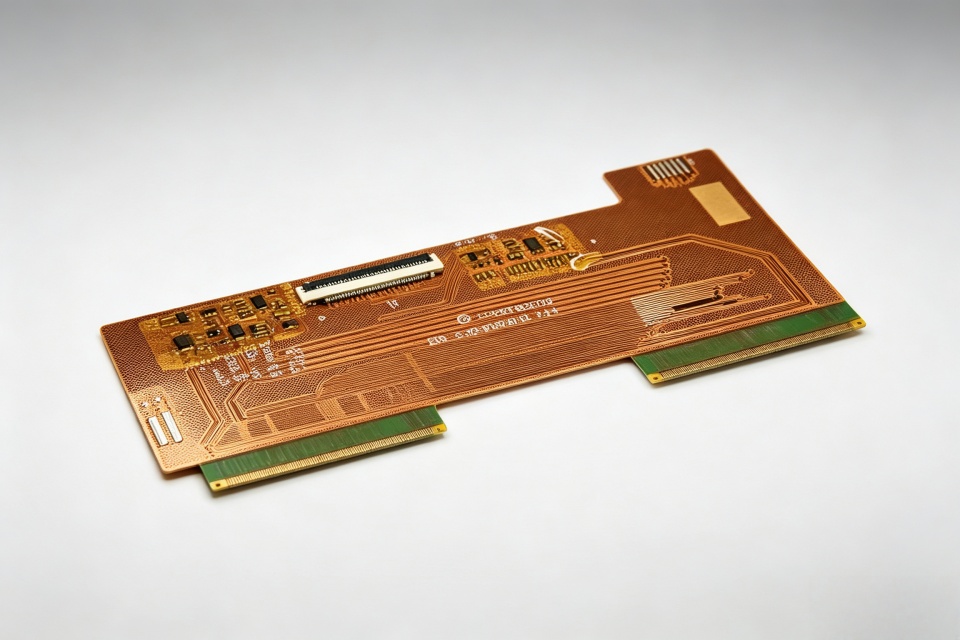
Smart Cockpit FPC
Central Control Display Touch Module FPC
The Central Control Display Touch Module FPC is used in smart cockpit in-vehicle display systems, featuring rolled annealed copper foil and automotive-grade conformal coating; supports one million dynamic flex cycles and operates across a wide temperature range of -40°C to 125°C, meeting assembly requirements for irregular shapes and narrow-bezel large displays.
View details