
Cup Motor FPC
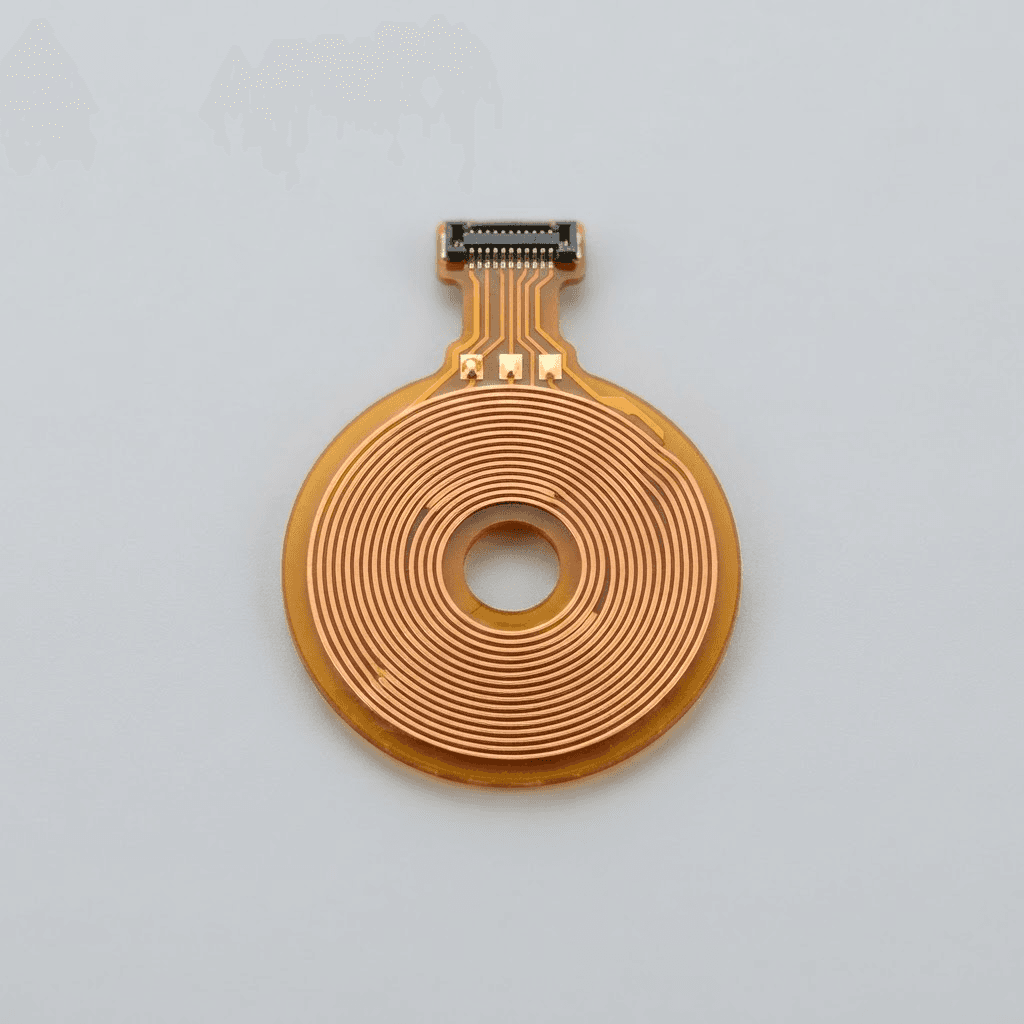
Cup motors are widely used in humanoid robot dexterous hands and small joint actuators. Their compact structure and high rotational speed demand exceptional winding accuracy and connection reliability. Hongyi Precision offers round and custom-shaped cup motor FPCs, featuring precision coil patterns and stable soldering interfaces to support long-term reliable operation at high speeds.
Key features
Precision coil pattern
High-accuracy etching ensures consistent coil geometry and electrical performance.
Compact round structure
Precision die-cutting or laser cutting for round and custom contours to conform to motor internal cavities.
Stable soldering interface
Optimized pad surface finish enhances solder joint reliability and durability.
High-speed tolerance
Integrated structural and mounting design optimized for high-RPM operation.
Specifications
- Layer count
- 1 – 2 layers
- Minimum trace/space
- 50 / 50 µm
- Base material
- PI 12.5 / 25 µm
- Copper thickness
- 9 / 12 / 18 µm
- Outline process
- Precision die-cutting / laser cutting
- Surface finish
- ENIG, gold plating
- Outline tolerance
- ± 0.05 mm
- Electrical test coverage
- 100% full inspection
Typical applications
- Dexterous hand drive motor
- Robot joint motor
- Small precision actuator
- Gimbal and lens drive
Talk to an engineer
Share your Gerber files or specification and our engineering team will assess manufacturability, advise on process and stack-up, then move your project through sampling and volume production to automotive standards.
Quote NowRelated reading
How Robot FPC Manufacturers Evaluate Dynamic Bend Life: Bend Count Alone Isn’t Enough
Robot FPCs are commonly used in joints, dexterous hands, vision modules, and motor connections—where repeated bending, twisting, and stretching collectively impact service life. This article outlines key conditions robot FPC manufacturers must confirm when evaluating dynamic reliability.
Learn moreTechnical InsightHow to Evaluate an FPC Supplier for Robotics Applications: An Evidence Checklist from Application Boundaries to Mass Production Validation
Evaluating an FPC supplier for robotics cannot rely solely on equipment lists, quotations, or whether samples pass continuity testing. This article outlines the required evidence across six areas—design input, DFM, material stack-up, sample replication, reliability validation, batch traceability, and change management—using three application categories: joint sensing, dexterous hand interconnects, and coreless motor interfaces.
Learn moreTechnical InsightsFPC Solution for Humanoid Robots: How to Design FPC for Coreless Motors — Key Considerations for Coil Patterns, Outline Accuracy, and Solder Joint Reliability
FPC for coreless motors must balance precision circuitry, non-standard outlines, solder interface integrity, and assembly reliability within highly constrained spaces. This article outlines key design considerations—including coil patterns, material stack-up, outline definition and positioning, pad interconnects, and prototyping validation—based on publicly available parameters of existing products.
Learn moreRelated products
Bipedal Robot
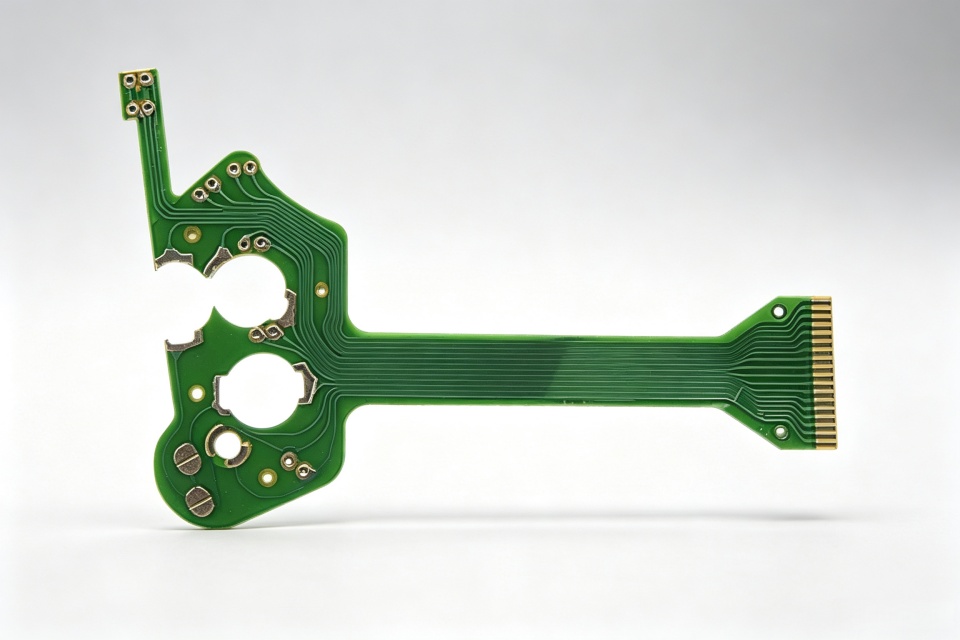
Bipedal Robot Joint Sensor FPC
Bipedal robot joint flexible printed circuit (FPC), with zone-specific surface finishes: ENIG for functional pads and tin plating for general traces. ENIG pads enhance salt mist resistance and oxidation resistance, balancing long-term operational reliability and manufacturing cost.
View details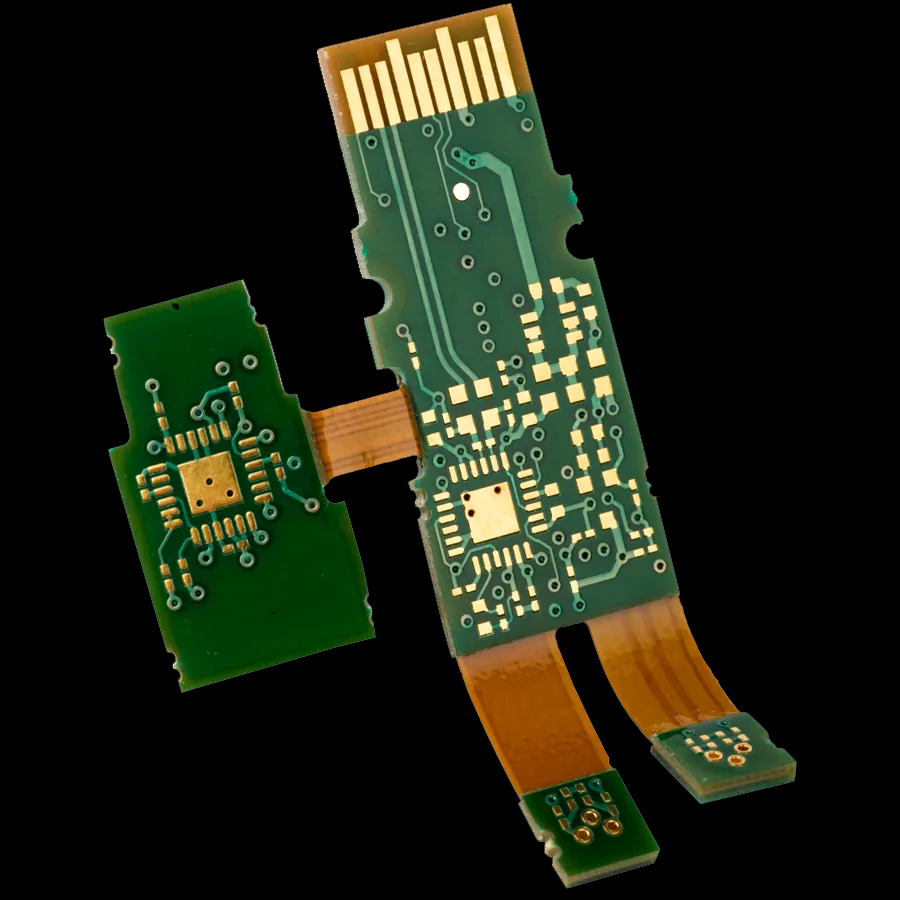
Humanoid Robot
Humanoid Robot Rigid-Flex FPC
Humanoid robot rigid-flex FPC: precisely designed mounting holes and alignment features in static areas ensure reliable assembly positioning and resistance to long-term vibration, preventing FPC misalignment and stress-induced aging.
View details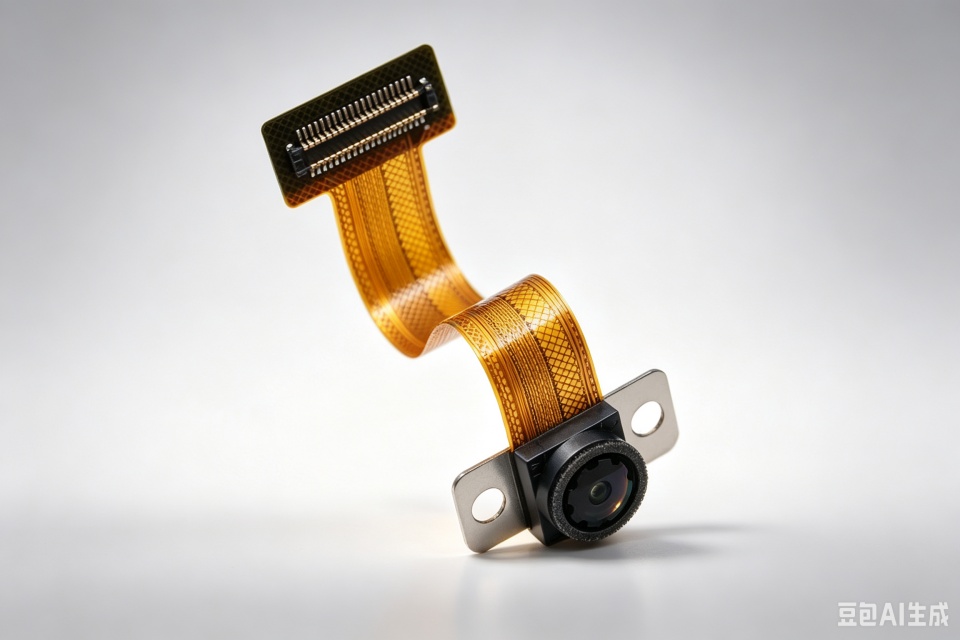
Bipedal Robot
Bipedal Robot Camera Module FPC
Flexible Printed Circuit for bipedal robot vision cameras: Early-stage DFM design strictly aligns with production process limits; standardized solder mask openings and via spacing parameters effectively reduce process defects and ensure stable high-volume delivery.
View details