
Humanoid Robot Rigid-Flex FPC
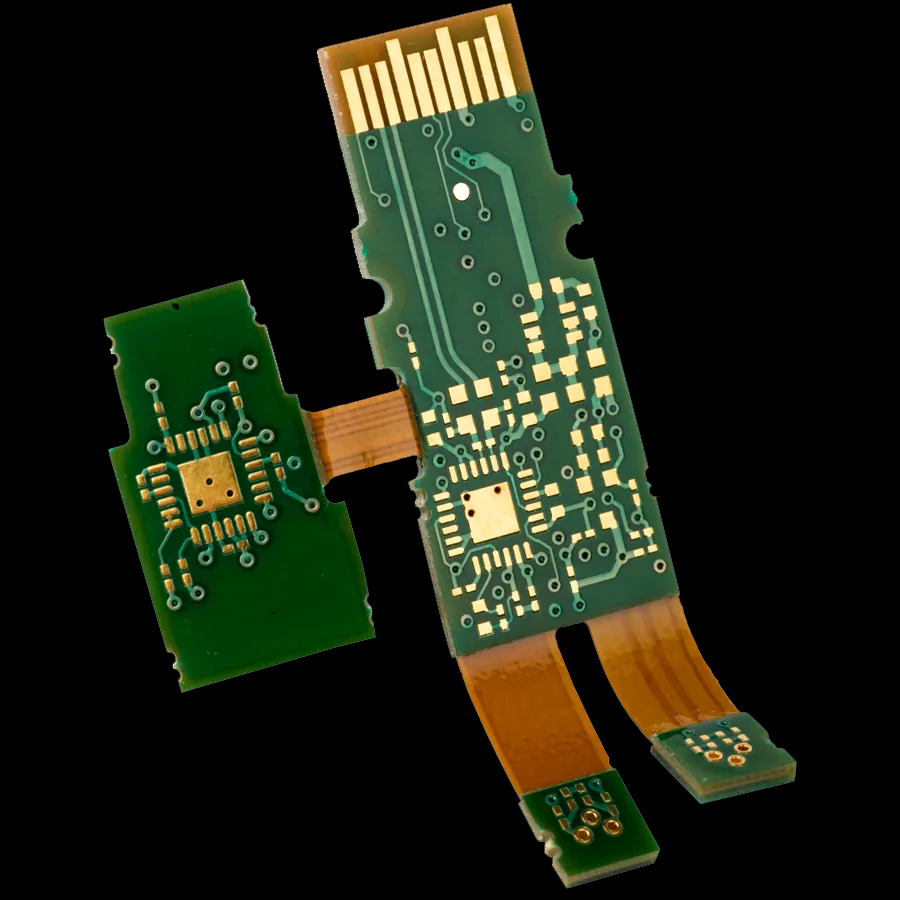
This rigid-flex FPC is specifically designed for humanoid robots, integrating rigid SMT areas with flexible bending zones. Per Hongyi Precision’s standardized design guidelines: precision mounting holes and alignment features are placed in static fixed areas to enable centered, locked alignment during assembly—effectively preventing FPC shift or slippage caused by long-term equipment vibration; avoiding localized stress concentration due to positional offset, thereby mitigating substrate and copper foil fatigue aging and enhancing long-term robotic operational stability.
Key features
Alignment and Positioning Feature Design
Mounting holes and alignment features provided in static areas ensure precise, centered assembly
Vibration Resistance and Anti-Shift Performance
Suppresses FPC misalignment and slippage induced by prolonged vibration
Stress Distribution Optimization
Eliminates localized stress concentration, delaying trace aging and failure
Rigid-Flex Integrated Structure
Rigid sections facilitate component soldering; flexible sections accommodate joint articulation
Optimized for Continuous Robotic Motion
Balances assembly accuracy with dynamic flexing requirements
100% Full-Dimension + Electrical Testing
Ensures batch-to-batch assembly consistency
Specifications
- Type
- Rigid-Flex FPC
- Base Material
- PI Flexible Substrate + FR4 Rigid Substrate
- Copper Thickness
- 12 μm, 18 μm
- Surface Finish
- ENIG or Tin Plating (selectable)
- Operating Temperature
- -40°C to 105°C
- Application Environment
- Continuous vibration and reciprocating motion at robotic joints
- Electrical Testing
- 100% Full Inspection
Typical applications
- Humanoid Robot Joint Control Module
- Robotic Limb Sensing Rigid-Flex Circuit Assembly
- Integrated Internal Control Ribbon Cable for Smart Robots
- Rigid-Flex FPC for Compact Motion Actuators
Talk to an engineer
Share your Gerber files or specification and our engineering team will assess manufacturability, advise on process and stack-up, then move your project through sampling and volume production to automotive standards.
Quote NowRelated products
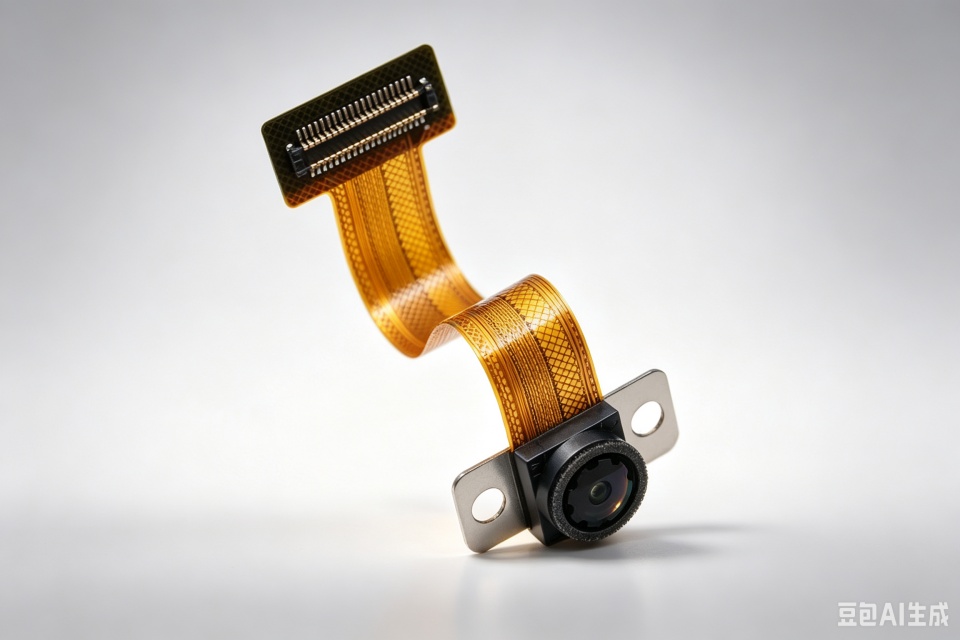
Bipedal Robot
Bipedal Robot Camera Module FPC
Flexible Printed Circuit for bipedal robot vision cameras: Early-stage DFM design strictly aligns with production process limits; standardized solder mask openings and via spacing parameters effectively reduce process defects and ensure stable high-volume delivery.
View details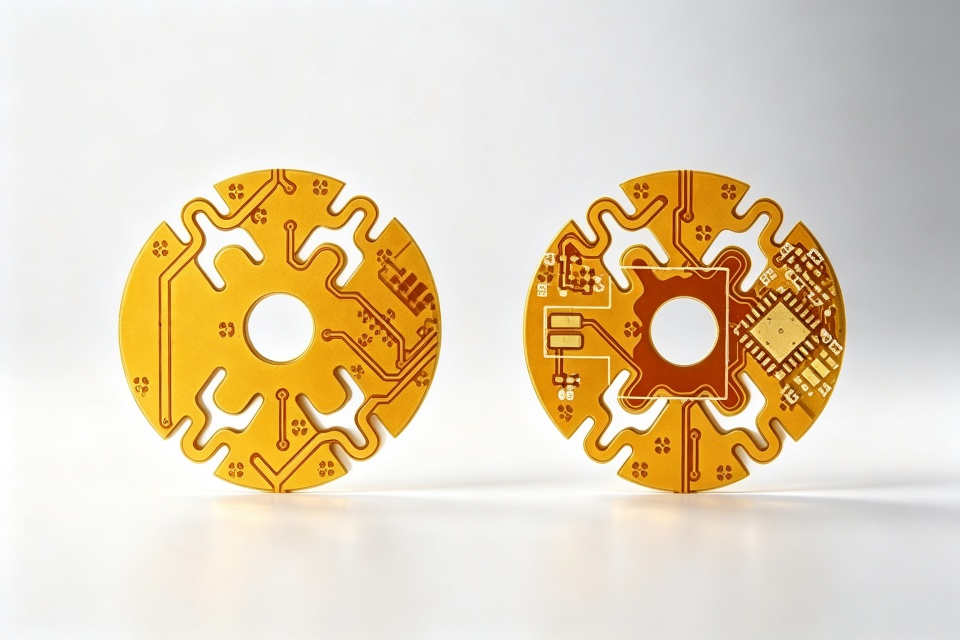
Humanoid robotics
Dexterous hand sensing FPC
High-density tactile sensing flex that determines the feel and service life of a dexterous hand.
View details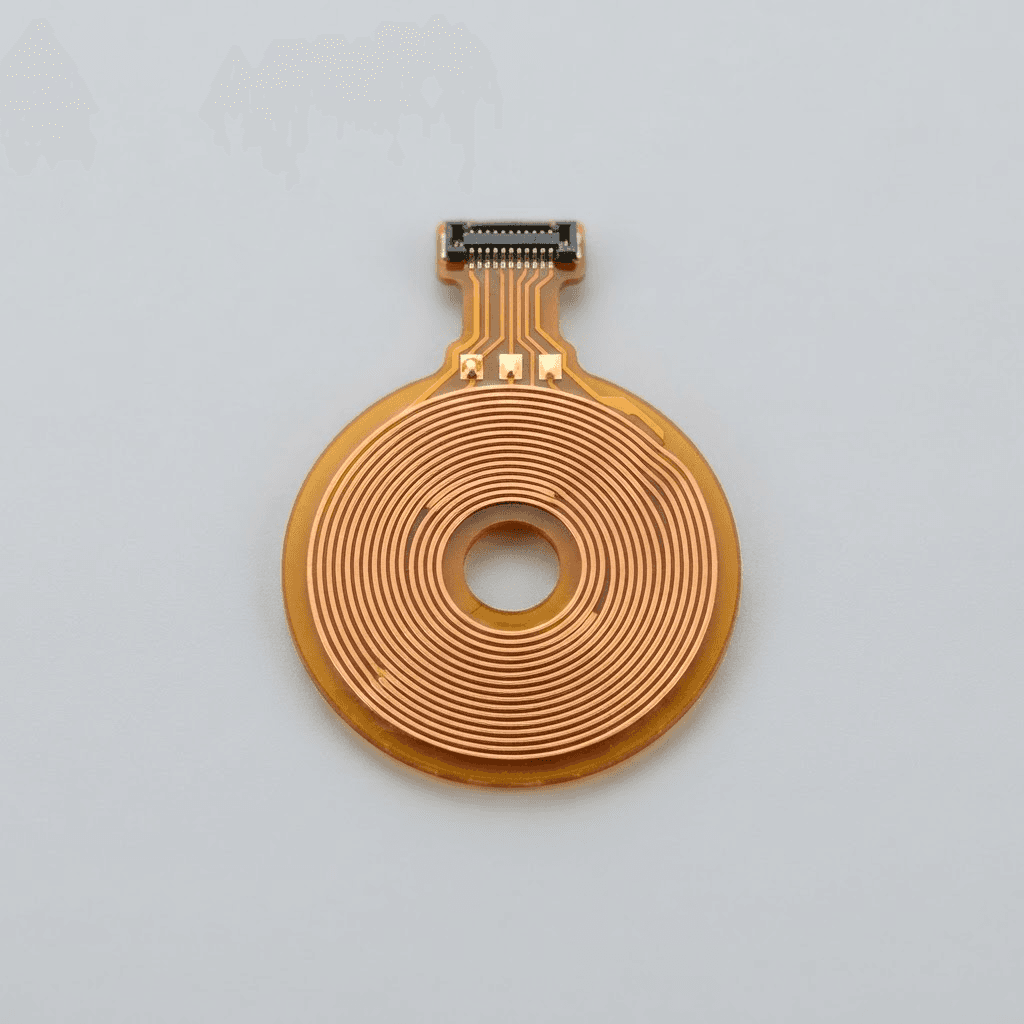
Humanoid Robot FPC
Cup Motor FPC
Precision flexible interconnects for cup motors and joint actuators.
View details