
Bipedal Robot Camera Module FPC
This FPC is applied in bipedal robot vision camera modules. Hongyi Precision safeguards the project with comprehensive DFM design guidelines to improve first-pass yield: design fully conforms to FPC mass-production capabilities; trace width/spacing, hole diameter, and solder mask opening dimensions all incorporate process margin—never pushing against process limits; in multilayer boards, minimum spacing between adhesive-only solder mask openings and vias is ≥0.8 mm, avoiding batch defects during lamination, exposure, and etching, lowering scrap rate and enabling high-quality, stable delivery.
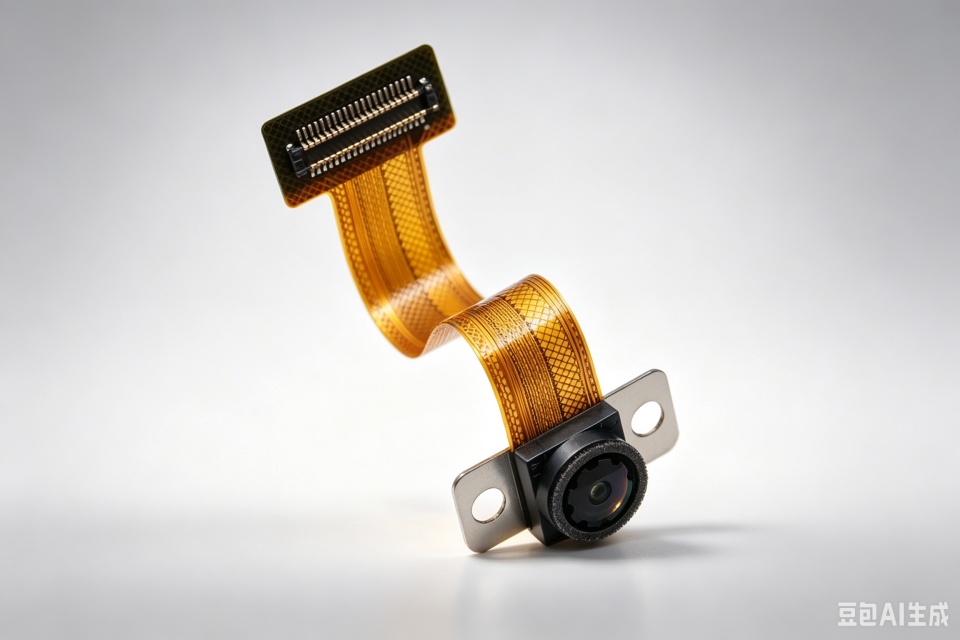
Key features
Standardized Pre-Production DFM Review
DFM Design Aligned with FPC Mass-Production Process Thresholds
Standardized Spacing Rules for Multilayer Boards
Adhesive-only solder mask opening ≥0.8 mm from vias—eliminates process risks
Rational Process Margin in Parameter Design
Trace width, trace spacing, hole diameter, and solder mask opening remain within specification limits
Significantly improved first-pass yield
Reduced batch defects and lower manufacturing cost
Compatible with robot vision modules
Ultra-thin flexible structure fits tight camera mounting space
Specifications
- Base Material
- PI Flexible Substrate
- Copper Thickness
- 12 μm / 18 μm
- DFM Hard Constraints
- Multilayer board: adhesive-only solder mask opening ≥0.8 mm from vias
- Surface Finish
- ENIG / ENEPIG optional
- Application Scenario
- Robot Vision Camera Module
- Operating Temperature
- -40°C to 105°C
- Electrical Testing
- 100% Full Electrical Test
Typical applications
- Bipedal Robot Eye Vision Camera Flex Cable
- Smart Robot Image Capture Module FPC
- Flexible Printed Circuit for Small AI Device Camera Sensors
- Mobile Robot Vision Module Interconnect Flex
Talk to an engineer
Share your Gerber files or specification and our engineering team will assess manufacturability, advise on process and stack-up, then move your project through sampling and volume production to automotive standards.
Quote NowRelated reading
How Should an AI Robot FPC Manufacturer Match Joint, Vision, and Sensing Requirements?
Different modules in AI robots impose distinct requirements on FPCs: joints emphasize dynamic service life; vision systems demand high-speed signal integrity; and end-effectors prioritize low-noise, high-density interconnects. This article outlines the design, process, and validation capabilities customers should verify when selecting an FPC supplier for AI robots—using three representative modules as examples.
Learn moreTechnical InsightsHow to Select FPC for AI Robots: A Decision Framework from Motion Profiles and Signal Speed to Mass Production Validation
For AI robot projects, selecting FPC is not about whether traces can be electrically connected—it’s about simultaneously meeting dynamic flexing, high-speed signal integrity, space constraints, and batch-to-batch consistency. This article outlines a practical methodology—from requirement definition and solution comparison to reliability validation—based on real-world engineering decision flows of customers.
Learn moreTechnical InsightsEMI and Thermal Management for AI Robot FPCs: Don’t Let High-Speed Signals Fail at the Connection Details
AI robot FPCs must not only withstand joint articulation but also transmit an increasing volume of high-speed signals among vision, communication, and drive systems. Without integrated design of routing, return paths, shielding, connectors, and localized heat dissipation, bit errors, noise, and temperature rise may occur. This article deconstructs EMI and thermal management strategies for AI robot FPCs from a system-level interconnection perspective.
Learn moreRelated products
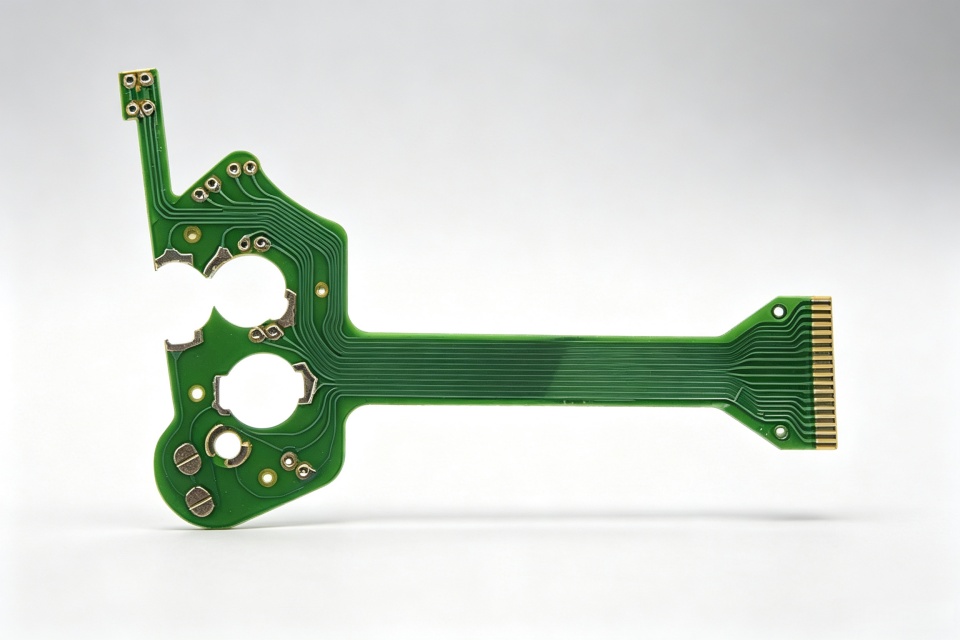
Bipedal Robot
Bipedal Robot Joint Sensor FPC
Bipedal robot joint flexible printed circuit (FPC), with zone-specific surface finishes: ENIG for functional pads and tin plating for general traces. ENIG pads enhance salt mist resistance and oxidation resistance, balancing long-term operational reliability and manufacturing cost.
View details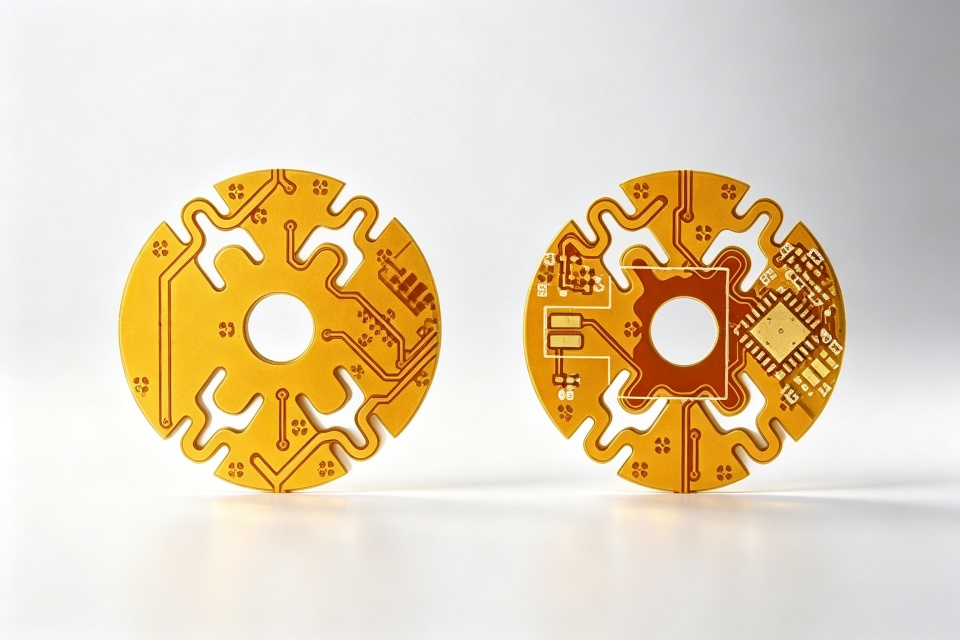
Humanoid robotics
Dexterous hand sensing FPC
High-density tactile sensing flex that determines the feel and service life of a dexterous hand.
View details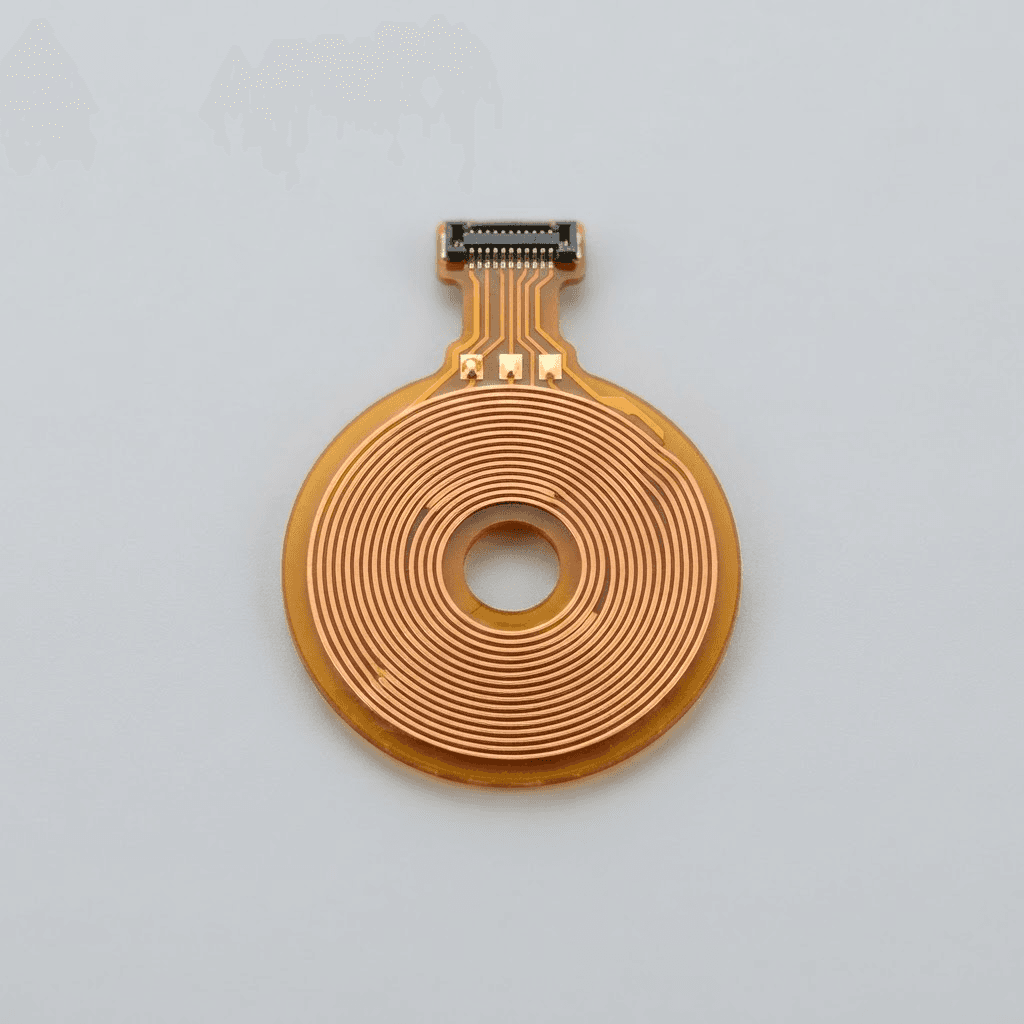
Humanoid Robot FPC
Cup Motor FPC
Precision flexible interconnects for cup motors and joint actuators.
View details