
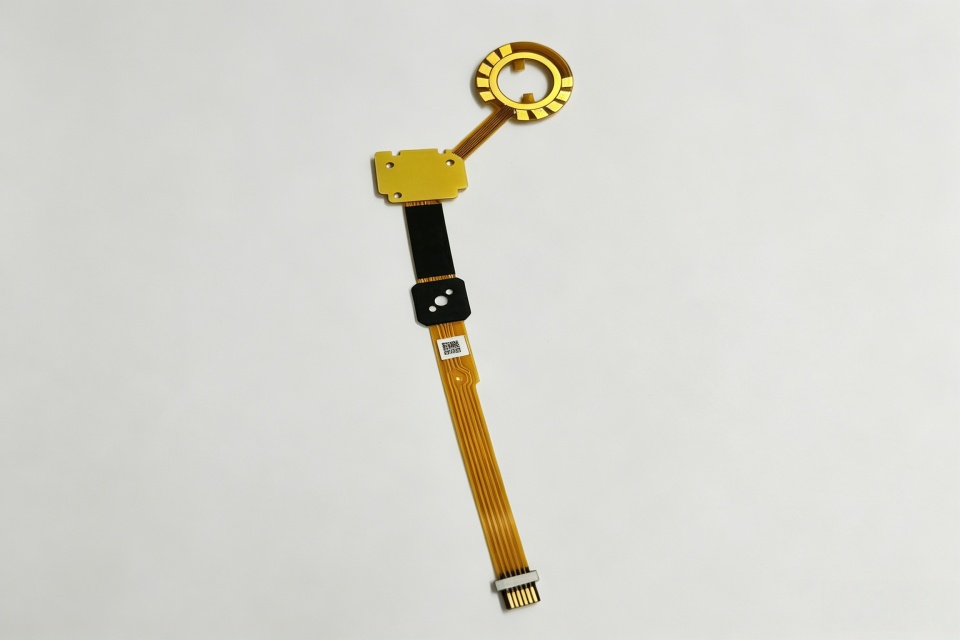
Automotive Column-Mounted Shifter FPC
This automotive shifter flexible circuit board uses high-temperature-resistant PI coverlay to enhance tensile strength while maintaining excellent flexural durability—effectively preventing assembly tearing. After nearly one year of R&D and validation, Hongyi Precision has launched two thickness options: 0.025 mm and 0.05 mm. The material exhibits outstanding performance across wide temperature ranges, resisting low-temperature embrittlement and high-temperature softening/deformation. It offers strong adhesion and resists lifting or cracking after repeated flexing—ideal for long-term stable operation in automotive rotary sensing mechanisms.
Key features
High-Temperature-Resistant PI Coverlay
Dual optimization of flexural durability and tensile strength to prevent assembly tearing
Two coverlay thickness options available
0.025 mm and 0.05 mm thickness options provided
Wide-Temperature Stability
Mitigates risks of low-temperature embrittlement and high-temperature softening/deformation
Strong coverlay adhesion
Resists lifting or delamination/cracking under repeated flexing
Precision trace fabrication
Ensures continuous, stable angular sensing signal output
100% electrical full inspection
Strict control of batch-to-batch quality consistency
Specifications
- Layers
- 1–2 layers
- Minimum trace width/spacing
- 60/60 μm
- Base material
- PI 12.5 μm / 25 μm
- Copper thickness
- 12 μm, 18 μm
- Coverlay
- High-temperature-resistant PI film, 0.025 mm / 0.05 mm optional
- Surface finish
- ENIG gold plating, OSP
- Operating temperature
- –40 °C to 105 °C
- Electrical testing
- 100% full inspection
Typical applications
- Automotive angular position sensor
- Automotive electronic shifter sensing module
- Steering angle detection assembly
- Signal flex cable for automotive rotary mechanisms
Talk to an engineer
Share your Gerber files or specification and our engineering team will assess manufacturability, advise on process and stack-up, then move your project through sampling and volume production to automotive standards.
Quote NowRelated reading
What Reliability Metrics Must FPC Manufacturers Confirm for Automotive Projects?
Automotive FPCs cannot be validated on conductivity alone; reliability must be verified under combined conditions including temperature, vibration, flexing, humidity-heat, soldering, and assembly stresses. This article outlines the reliability metrics and documentation FPC manufacturers and customers should jointly confirm early in automotive projects.
Learn moreTechnical InsightsHow to Select an FPC Connector? Parameters R&D and Procurement Teams Must Confirm
A connector must simultaneously match the FPC’s contact configuration, thickness, stiffener, trace count, signal type, and available assembly space. Even if the FPC itself is electrically sound, mismatched models may cause insertion difficulty, unstable contact, or inconsistent mass-production assembly.
Learn moreRelated products
Sensor Interconnection
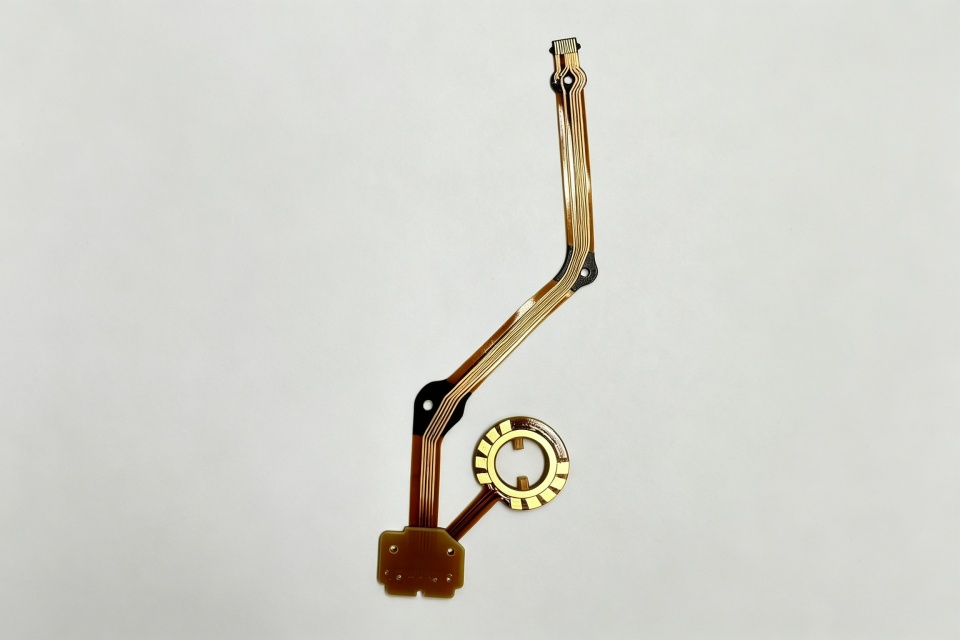
Electronic Shift Sensor FPC
Automotive electronic shift position sensing FPC, with optimized trace routing in bending zones to eliminate stress concentration points and significantly extend repeated flex life.
View details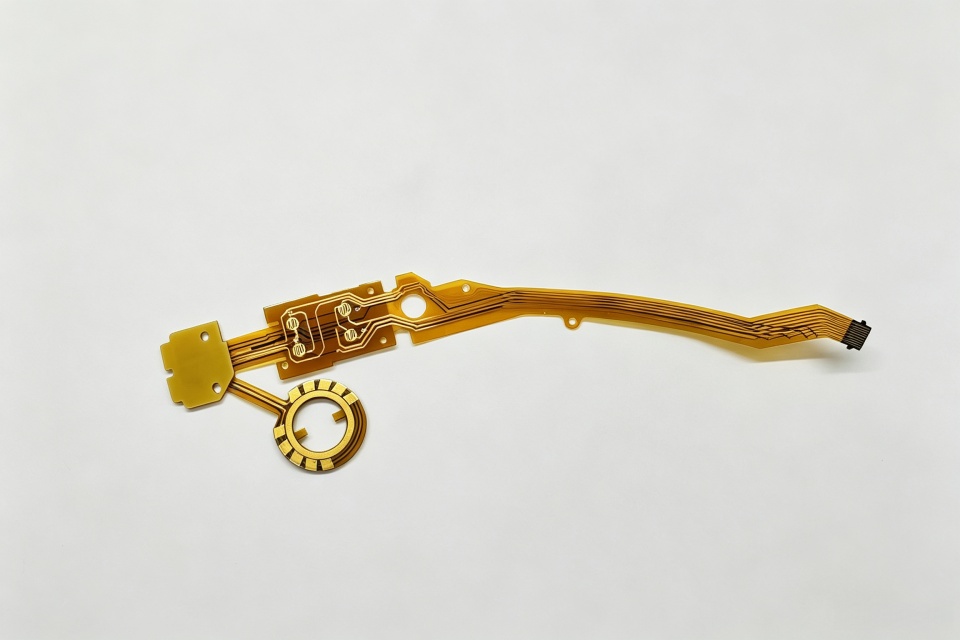
Sensor Connection
Electronic Shifter FPC
Flexible Printed Circuit for automotive electronic shifter mechanisms, featuring dynamic/static bend zone control to manage bend radius and prevent copper foil fatigue fracture, suitable for long-term reciprocating rotational applications.
View details
Sensor Interconnection
Wiper Control Switch FPC
Wiper Control Switch FPC: CAN/LIN differential signal traces follow equal-length, equal-spacing, parallel routing guidelines to maintain continuous impedance and ensure stable in-vehicle bus signal transmission.
View details