
News
Industry developments and technical notes
We follow technical and market developments in automotive FPC and flexible circuits for humanoid robotics, and we welcome the conversation.
Focus areas
FPC replacing automotive harnesses
With light weight, high flex endurance and dense integration, FPC is replacing conventional harnesses across smart cockpits and body control.
Flexible circuits for humanoid robots
A single humanoid robot uses 40-70 flexible circuits, with demand growing quickly for joint drives, tactile dexterous hands and vision modules.
Automotive process and quality
We keep refining our process window and full-flow validation around demanding temperature, flex life and conductive stability criteria.
Company news
 Industry Insights
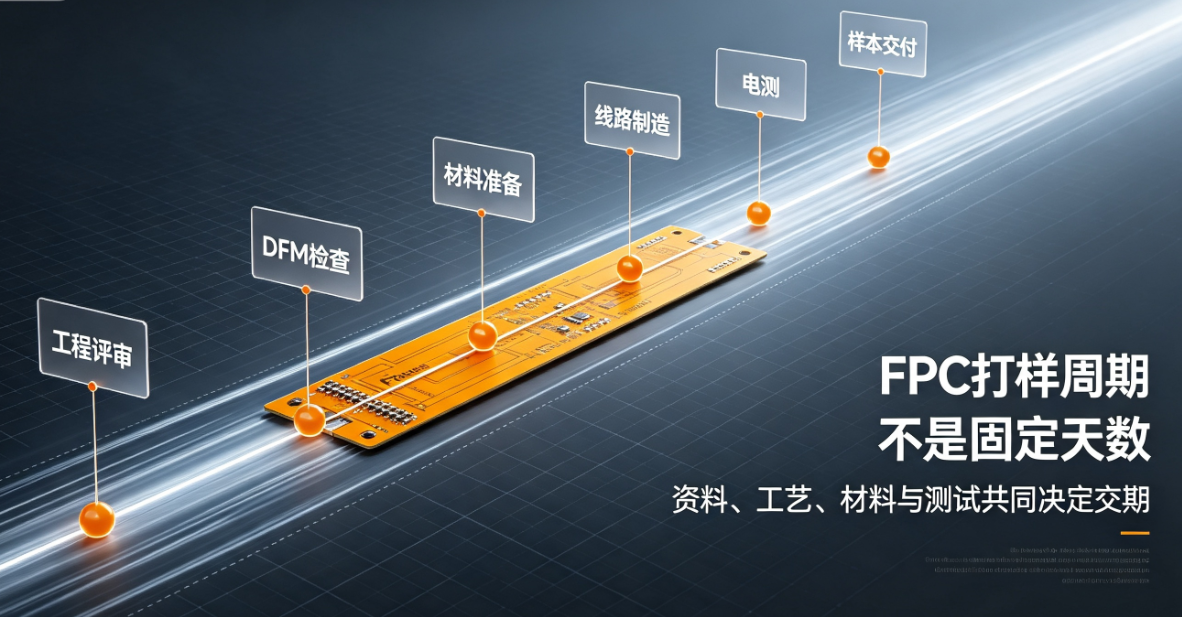
How Long Does FPC Prototyping Typically Take? From Data Confirmation to Sample Delivery
There is no universal lead time for FPC prototyping. Actual delivery depends on data completeness, trace complexity, outline geometry, material availability, an…
Read more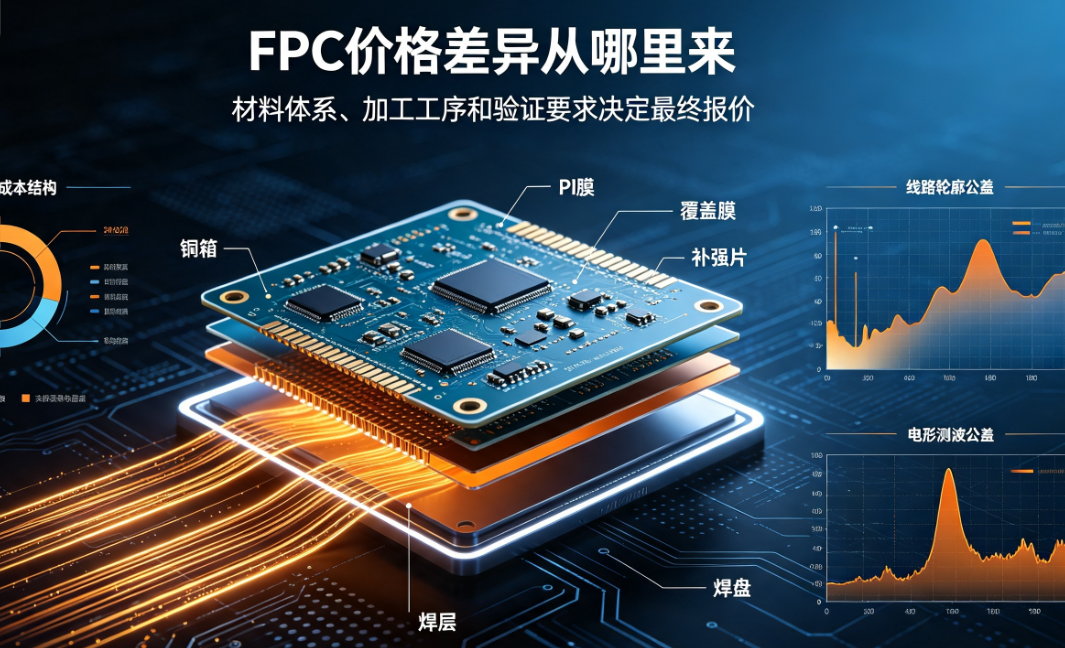 Industry Insights
How Is FPC Pricing Calculated? Eight Factors Affecting Prototyping and Mass Production Costs
FPC pricing is jointly determined by material selection, circuit complexity, manufacturing processes, test requirements, and order quantity. Even FPCs of identi…
Read more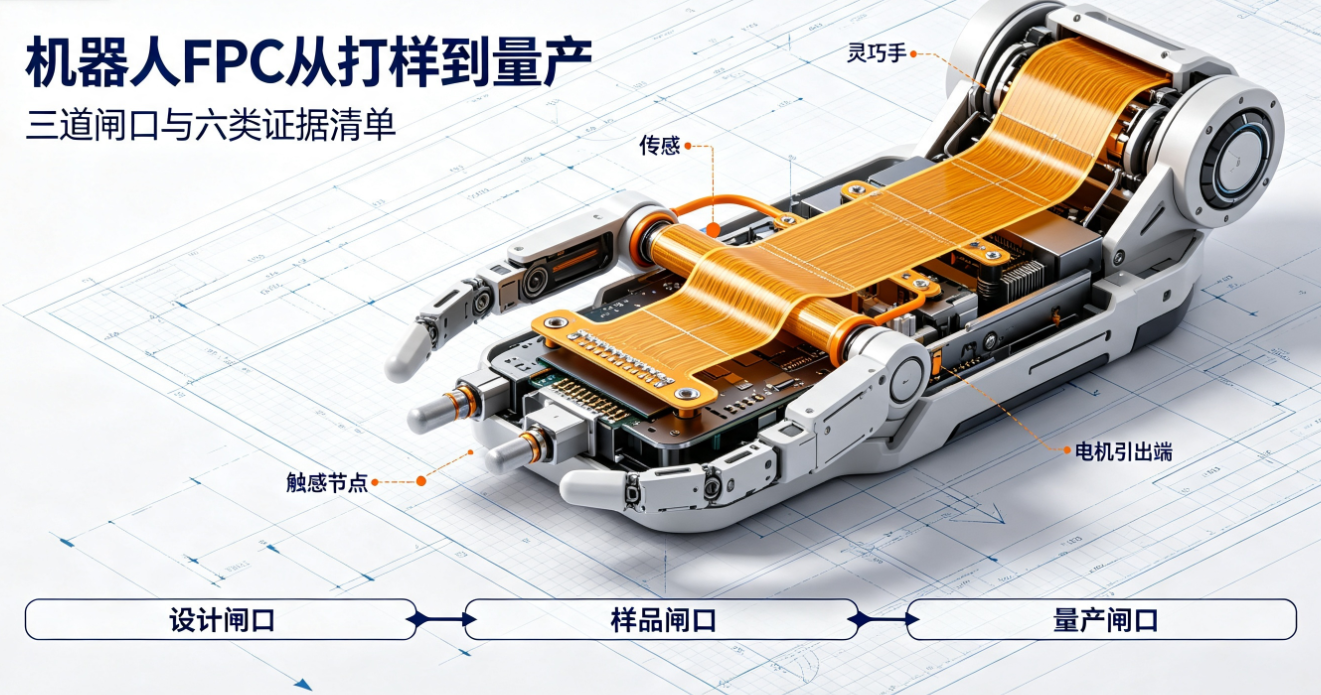 Technical Insight
How to Evaluate an FPC Supplier for Robotics Applications: An Evidence Checklist from Application Boundaries to Mass Production Validation
Evaluating an FPC supplier for robotics cannot rely solely on equipment lists, quotations, or whether samples pass continuity testing. This article outlines the…
Read more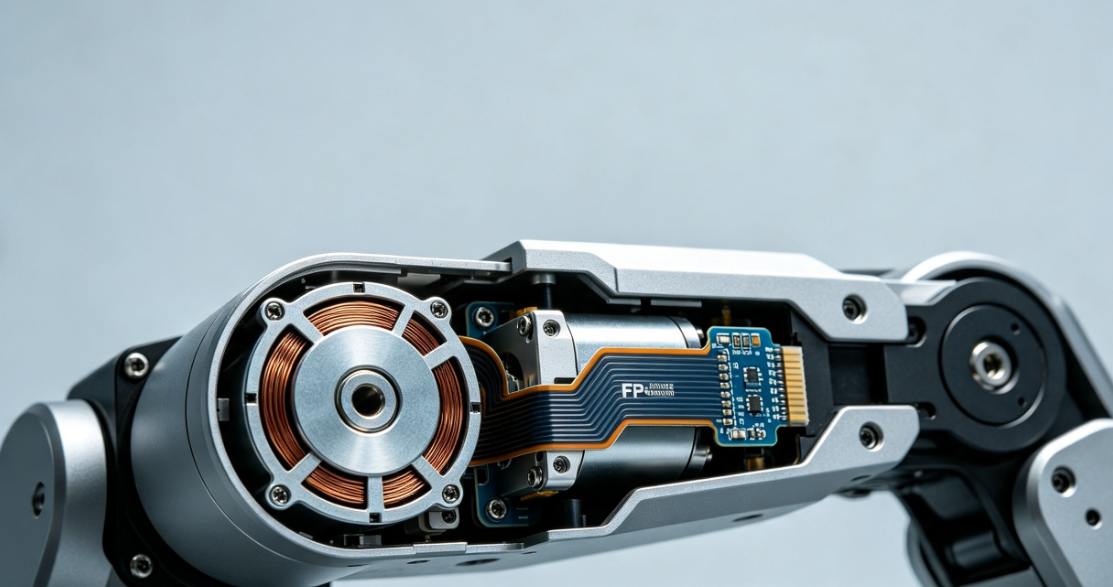 Technical Insights
FPC Solution for Humanoid Robots: How to Design FPC for Coreless Motors — Key Considerations for Coil Patterns, Outline Accuracy, and Solder Joint Reliability
FPC for coreless motors must balance precision circuitry, non-standard outlines, solder interface integrity, and assembly reliability within highly constrained…
Read more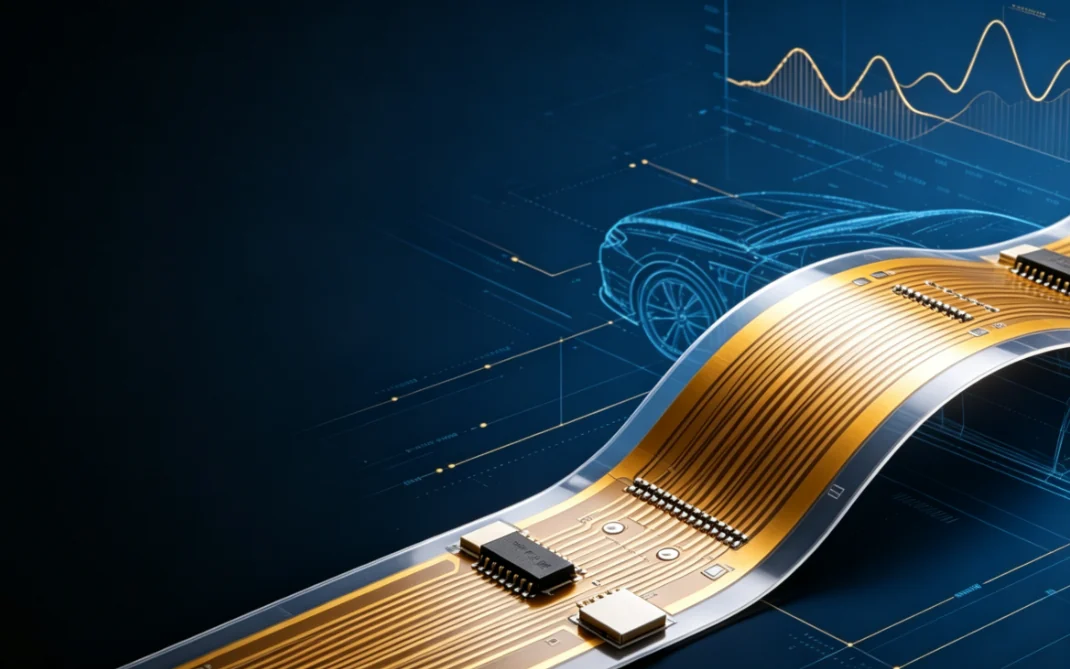 Technical Insights
Designing Automotive Flexible Printed Circuits: Key Considerations for Temperature Resistance, Vibration Resistance, and Signal Reliability
Automotive flexible printed circuits (FPCs) must simultaneously withstand temperature fluctuations, continuous vibration, assembly-induced bending, and complex…
Read more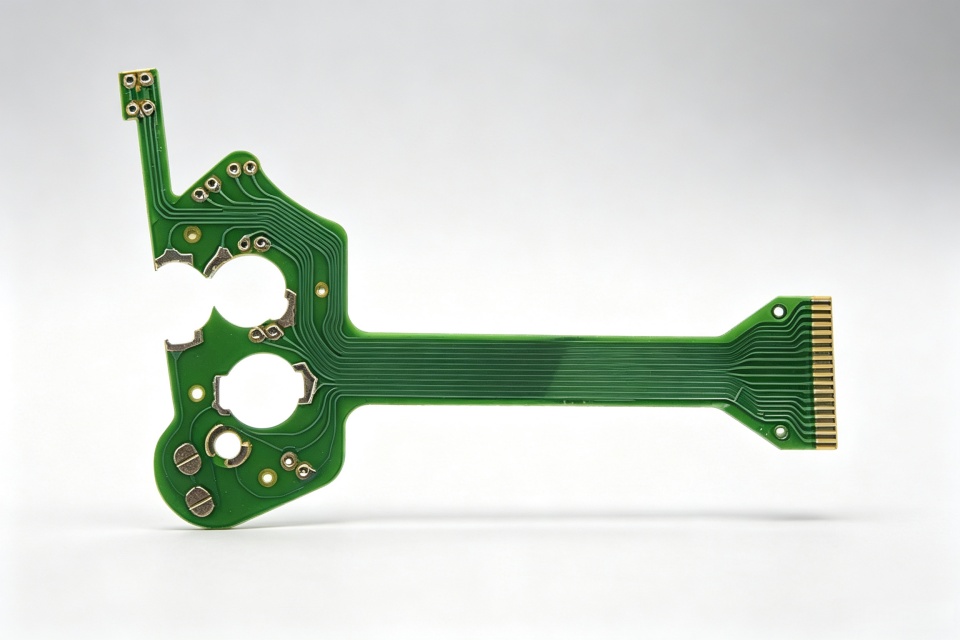 Technical Insights
Design Considerations for Articulated Joint FPCs in Humanoid Robots: Dynamic Bending, Vibration Resistance, and Reliable Interconnection
FPCs for humanoid robot joints must route sensing, driving, and control signals within tight spatial constraints while enduring repeated motion, continuous vibr…
Read more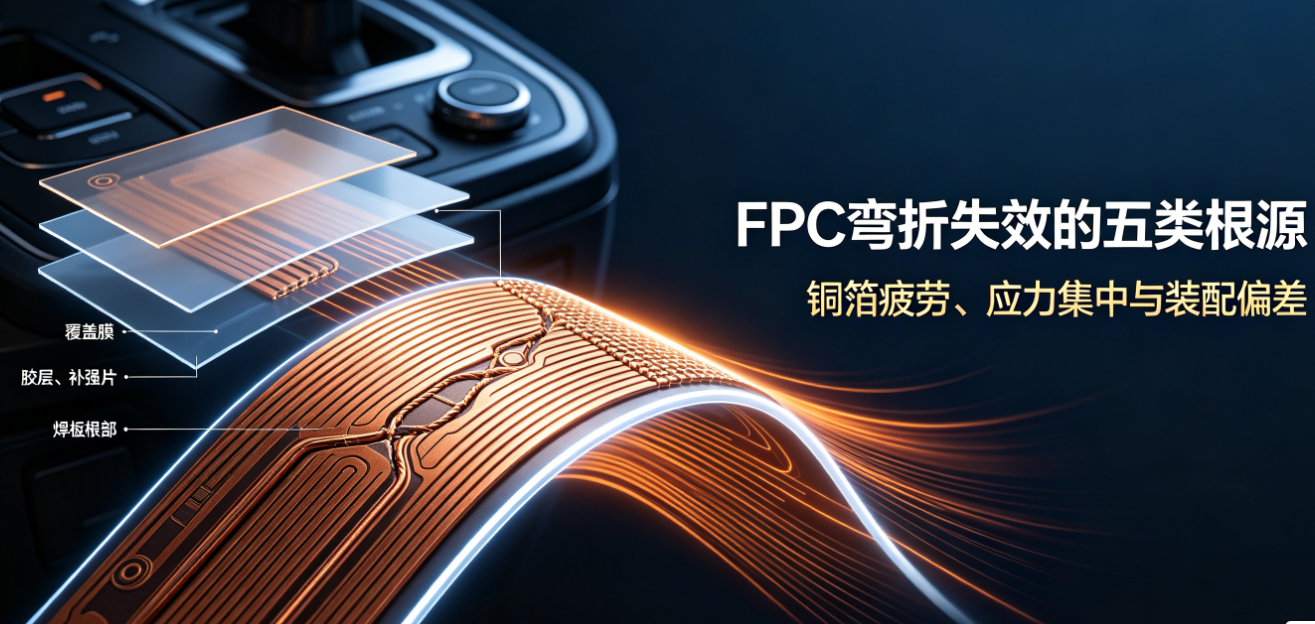 Technical Insights
Common Causes of FPC Bending Failure in Electronic Shifters and Key Design Verification Points
Open circuits, resistance drift, or unstable contact in electronic shifter FPCs are rarely due to material alone — they result from the combined effects of bend…
Read more