
News
Industry developments and technical notes
We follow technical and market developments in automotive FPC and flexible circuits for humanoid robotics, and we welcome the conversation.
Focus areas
FPC replacing automotive harnesses
With light weight, high flex endurance and dense integration, FPC is replacing conventional harnesses across smart cockpits and body control.
Flexible circuits for humanoid robots
A single humanoid robot uses 40-70 flexible circuits, with demand growing quickly for joint drives, tactile dexterous hands and vision modules.
Automotive process and quality
We keep refining our process window and full-flow validation around demanding temperature, flex life and conductive stability criteria.
Company news
 Technical Insights
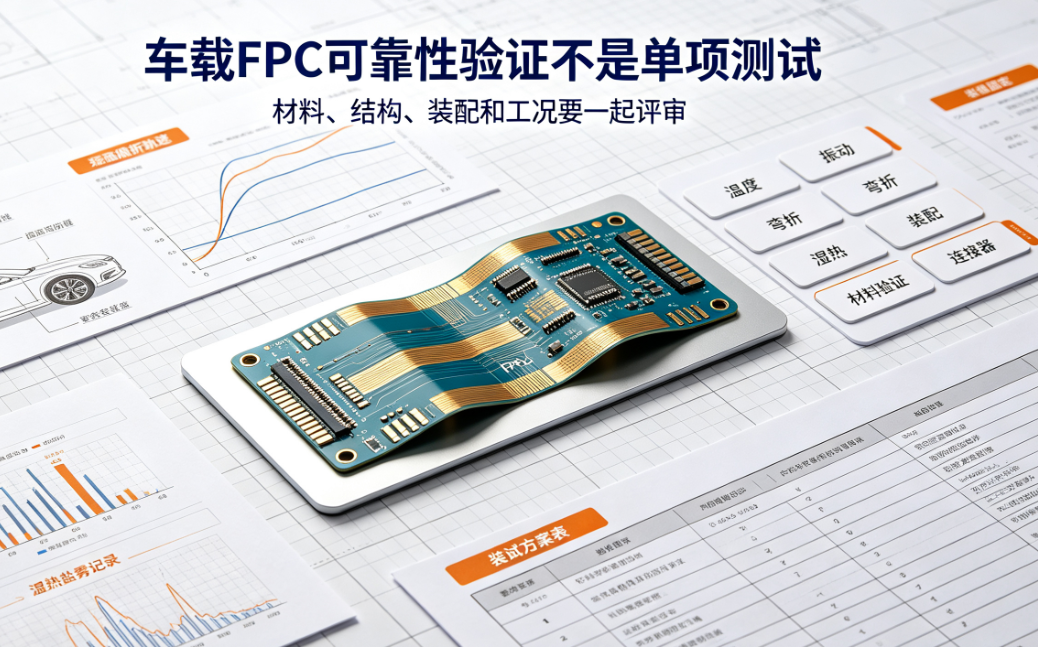
What Reliability Metrics Must FPC Manufacturers Confirm for Automotive Projects?
Automotive FPCs cannot be validated on conductivity alone; reliability must be verified under combined conditions including temperature, vibration, flexing, hum…
Read more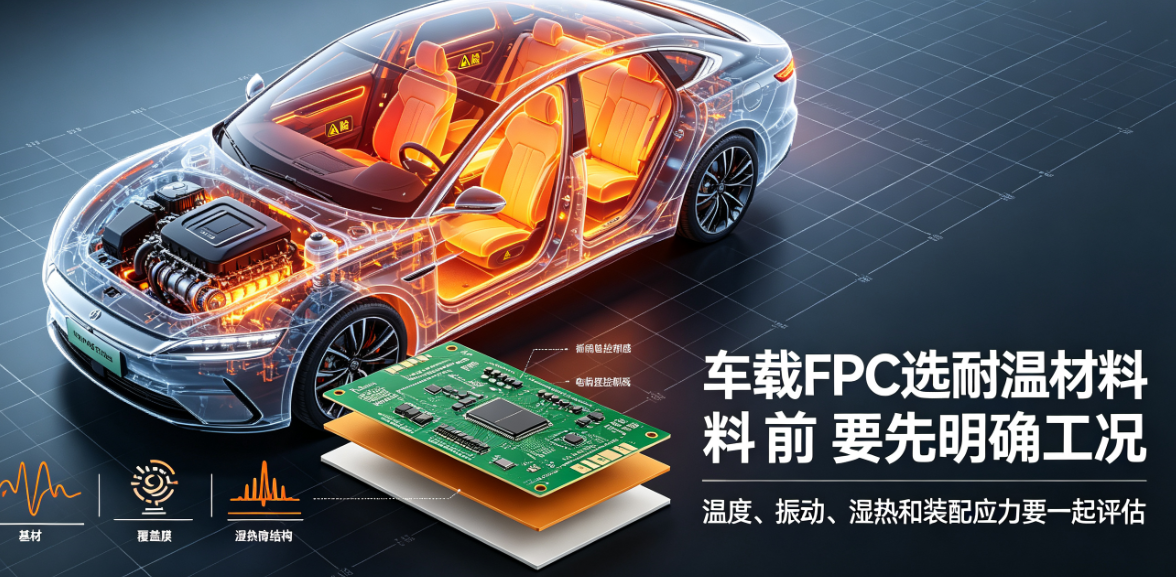 Technical Insight
How to Select Temperature Resistance Ratings for Automotive FPCs: Key Considerations for Thermal, Vibration, and Damp-Heat Validation
Temperature, vibration, damp-heat, and assembly stress vary significantly across vehicle locations. FPCs installed near heat sources, in engine compartments, or…
Read more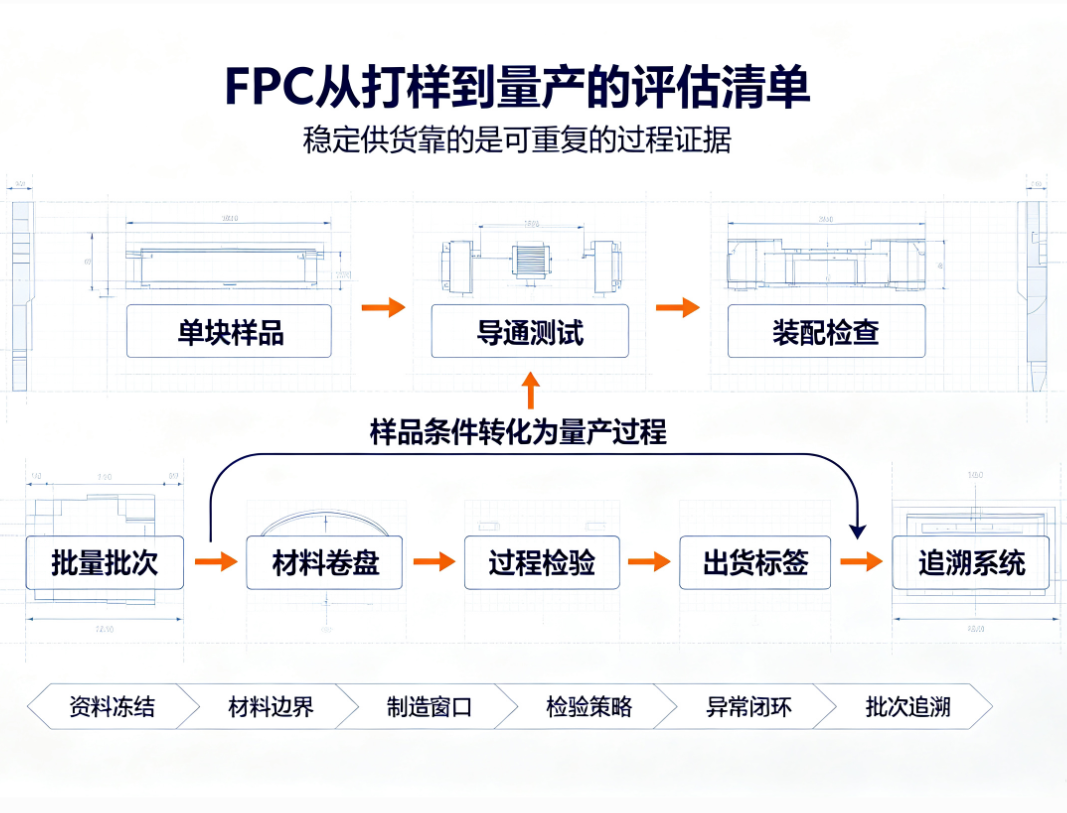 Technical note
How Do FPC Manufacturers Control Mass-Production Yield? From Materials and Process Control to Electrical Testing and Traceability
A qualified FPC prototype does not automatically mean stable mass production. This article explains how FPC manufacturers control yield through engineering-data…
Read more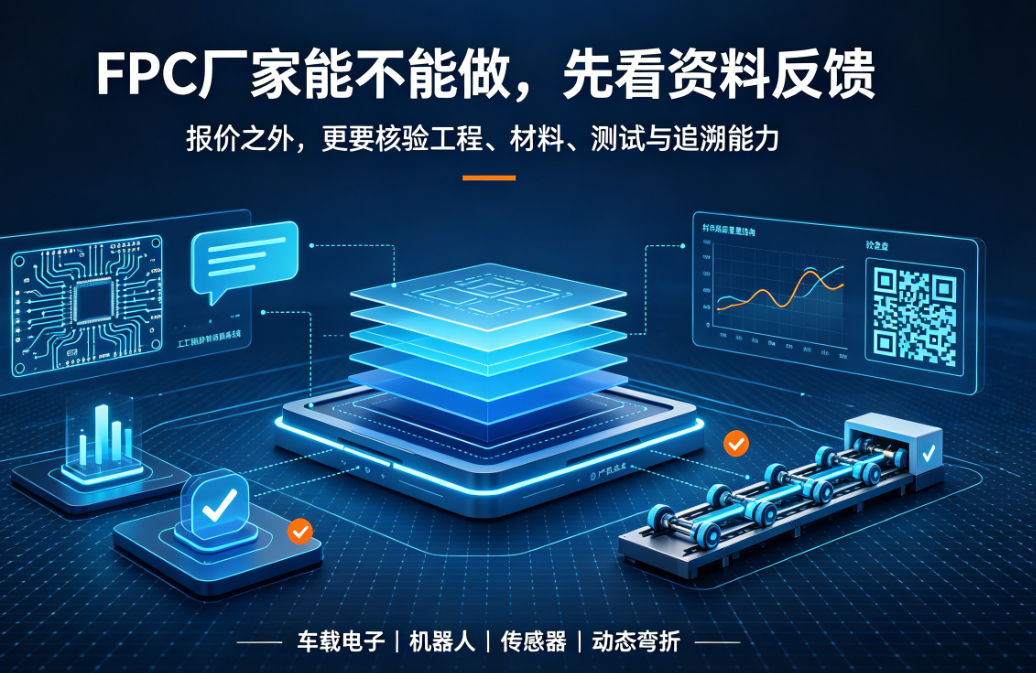 Technical Insights
What Documentation Should Buyers Review When Auditing an FPC Manufacturer? A Procurement and Engineering Evaluation Checklist
Selecting an FPC manufacturer requires more than comparing quotes and lead times—it demands verification of drawing review, material stack-up, sample testing, m…
Read more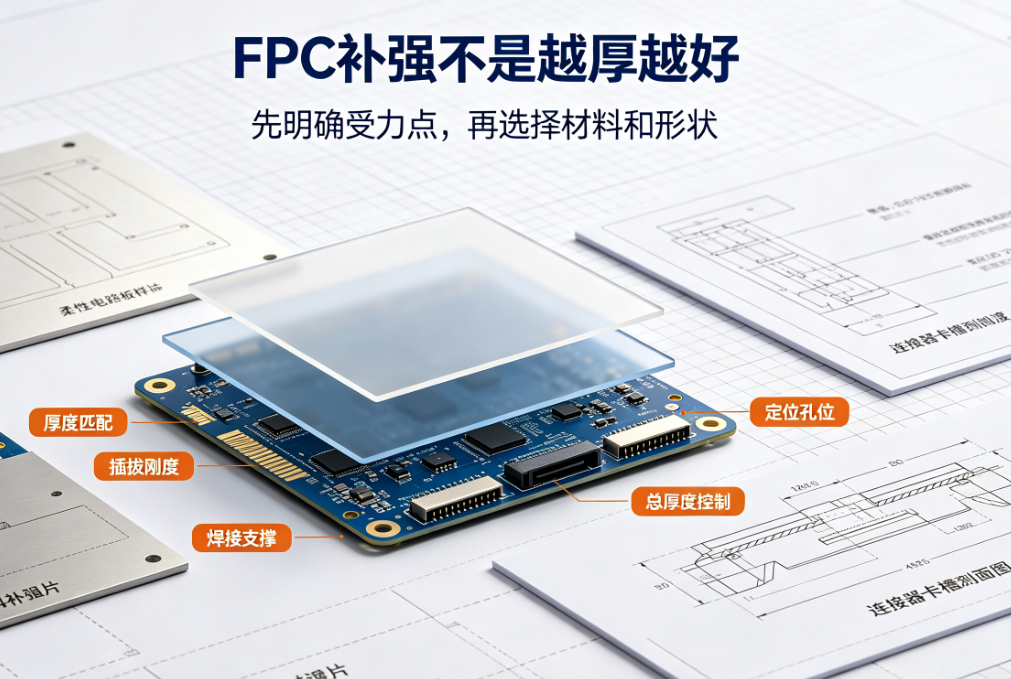 Technical Insights
How to Select FPC Stiffeners: Application Differences Among PI, FR-4, and Metal Stiffeners
The FPC substrate must retain flexibility, yet areas such as connectors, pads, screw-mount zones, or manual plug-in regions typically require higher rigidity. S…
Read more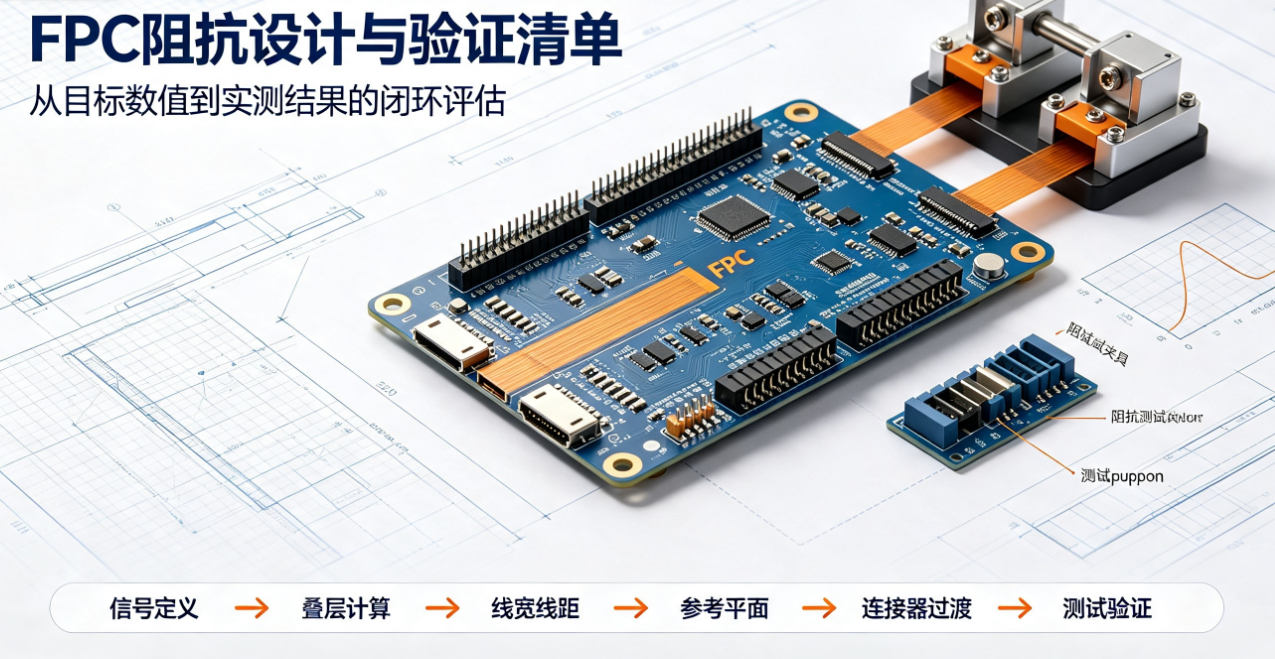 Technical Insights
How Is Impedance Controlled in FPCs? From Stack-up Design to Sample Testing
When FPCs are used for high-speed or high-frequency signal interconnects, trace geometry, dielectric thickness, and material dielectric properties affect signal…
Read more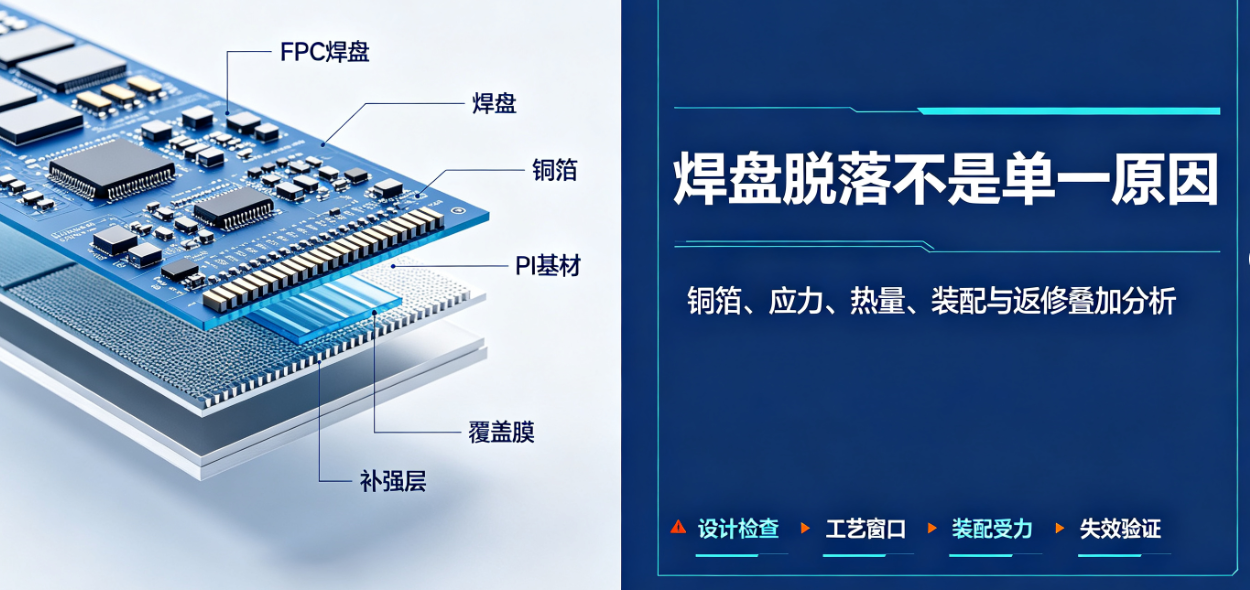 Technical Insights
Why Do FPC Pads Easily Detach? Design and Assembly Inspection Methods
FPC pad detachment may stem from copper foil adhesion, pad dimensions, stiffener design, soldering heat input, flux residue, and assembly-induced pulling forces…
Read more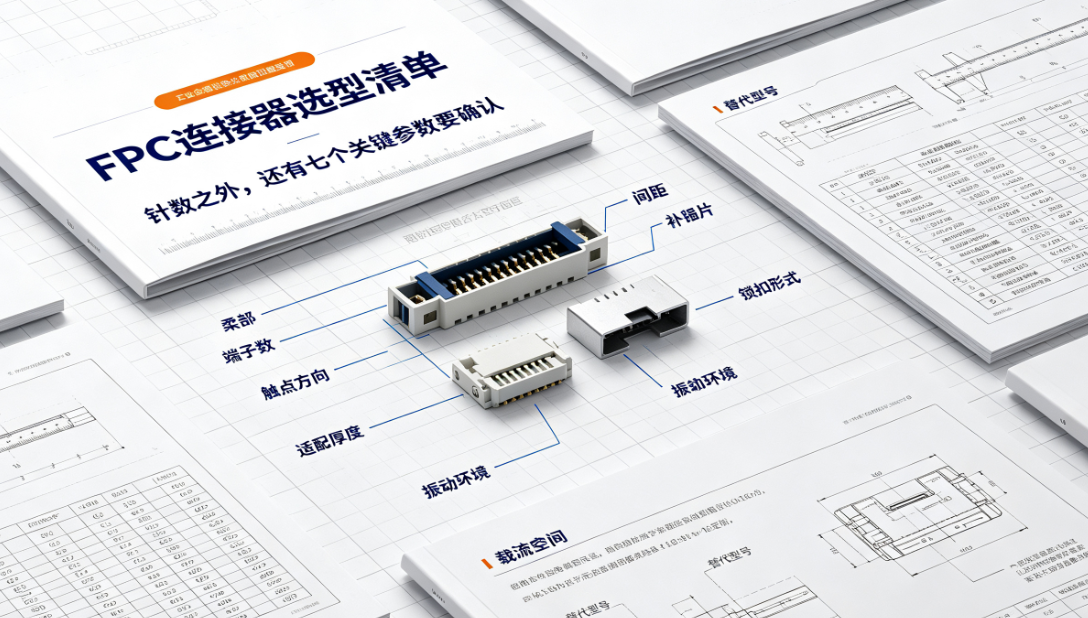 Technical Insights
How to Select an FPC Connector? Parameters R&D and Procurement Teams Must Confirm
A connector must simultaneously match the FPC’s contact configuration, thickness, stiffener, trace count, signal type, and available assembly space. Even if the…
Read more